
Engineer the interfaces. Protect the output.
Water Bottling System Equipment, Process and Integration
Plan the connected system from water treatment and bottle supply through filling, labeling, packing and pallet handling, with clear equipment functions, interfaces, utilities, machine states and verification evidence.
Request a Technical ProposalFrom Water Treatment to Finished Packs
Explore the major equipment stages and then review the project-specific interfaces that connect them.
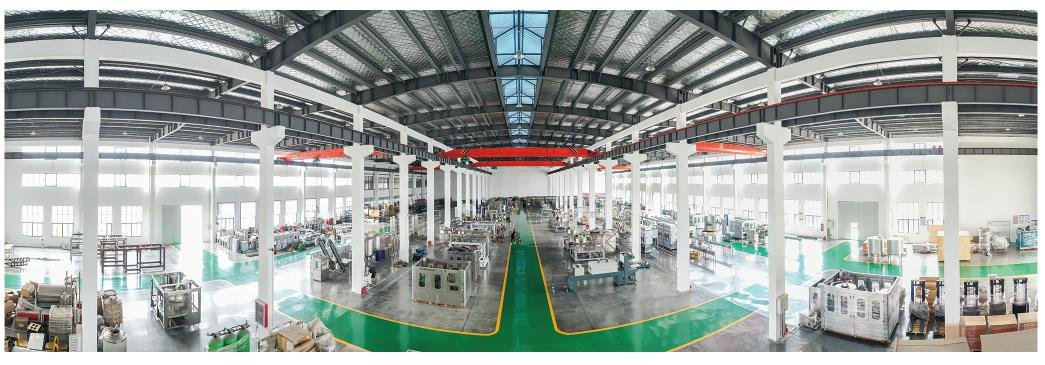
Catalog reference images: equipment context only. Final models, configuration, interfaces and performance require project-specific written confirmation.
Core system integration guides
Close the Interfaces Between Connected Equipment
Start with the handoff, machine-state, component-boundary or interface-risk question that matches your current engineering stage.
Water Bottling System
Material handoffs, terminal conditions, owners and closure evidence.
Technical closureComplete Water Bottling System
Included boundaries, exclusions, dependencies and acceptance records.
States and handshakesAutomatic Water Bottling System
Ready, blocked, starved, fault, reset and controlled restart behavior.
Equipment scopeWater Bottling System Equipment
What each treatment, bottle, filling, labeling and packing module receives and supplies.
Process planningWater Bottling System Process Flow
Trace product, bottle, packaging, utility, control and evidence flows.
Buyer cost guideWater Bottling System Cost Factors
Find scope, automation, utility, site-work and interface risks before comparing quotations.
PET container scopePET Water Bottling System
Coordinate bottle, neck, cap, blowing, handling and filling interfaces.
Compact system scopeSmall Water Bottling System
Define manual, assisted and automatic handoffs without leaving responsibilities open.
Retrofit planningExisting Water Bottling System Upgrade
Prepare as-found data, shutdown boundaries, controls changes and tie-in evidence.
Start here
Choose Your Starting Point
Begin with the decision you are making now. Each path produces a different technical artifact.
Plan a New System
Organize probable modules, missing buyer inputs and the first interface questions.
Open configurator BCheck a Supplier Proposal
Test whether product, mechanical, utility, controls, document and test boundaries are visible.
Check the gaps CIntegrate New Equipment
Prepare current drawings, measurements, utilities, controls and a staged tie-in basis.
Review the upgrade path DDiagnose an Interface Bottleneck
Trace starvation, blocking, repeated stops and slow recovery through machine states and evidence.
Map the handshakesSystem solutions
Choose the Water Bottling System That Matches the Project Condition
These routes organize different buyer decisions. Capacity, equipment model and final performance remain project-specific.
PET Water Bottling System
Coordinate bottle drawing, neck finish, preform or bottle supply, cap, air conveying, filling and format tests.
Plan PET interfaces Selective automationSmall Water Bottling System
Decide which handoffs are manual, assisted or automatic while preserving inspection, stop and restart responsibility.
Map compact-system duties Operating-duty reviewIndustrial Water Bottling System
Review operating schedule, monitored conditions, isolation, recovery and maintenance boundaries before discussing resilience.
Review operating duty Coordinated automationAutomatic Water Bottling System
Define ready, running, blocked, starved, fault, reset and restart behavior across connected equipment.
Define automatic states Retrofit and tie-inExisting Water Bottling System Upgrade
Collect as-found dimensions, utilities, controls, supplier records, shutdown constraints and connected test evidence.
Prepare the upgrade Quotation comparisonComplete System Scope Review
Compare inclusions, exclusions, terminal points, utilities, documents, tests and unresolved supplier assumptions.
Compare complete scopeKnowledge center
103 English Pages Organized by System Decision
Move from a broad requirement to the exact water, bottle, pack, utility, signal, retrofit or evidence boundary that needs confirmation.
Architecture
One System, Fifteen Connected Modules
The map is a discussion model, not a final layout. Each project includes only the modules supported by confirmed requirements.
Scroll horizontally to inspect the complete architecture. Linked nodes open approved integration pages.
Final scope depends on water, bottle, output, site, utility, packaging and existing-equipment data.
Equipment Context at Connected System Boundaries
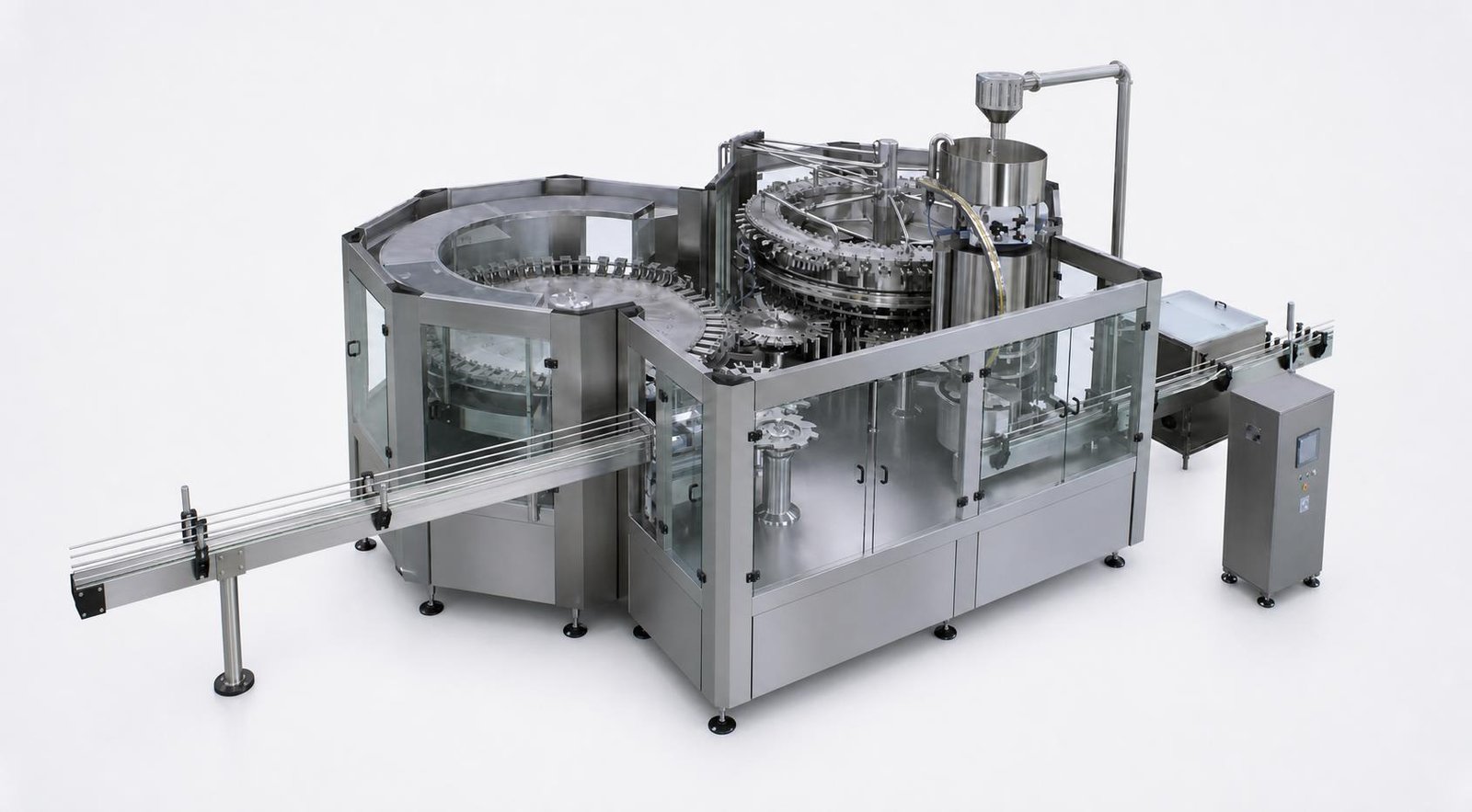
Use these equipment views to identify the material, utility and control transfer points that require project-specific confirmation.

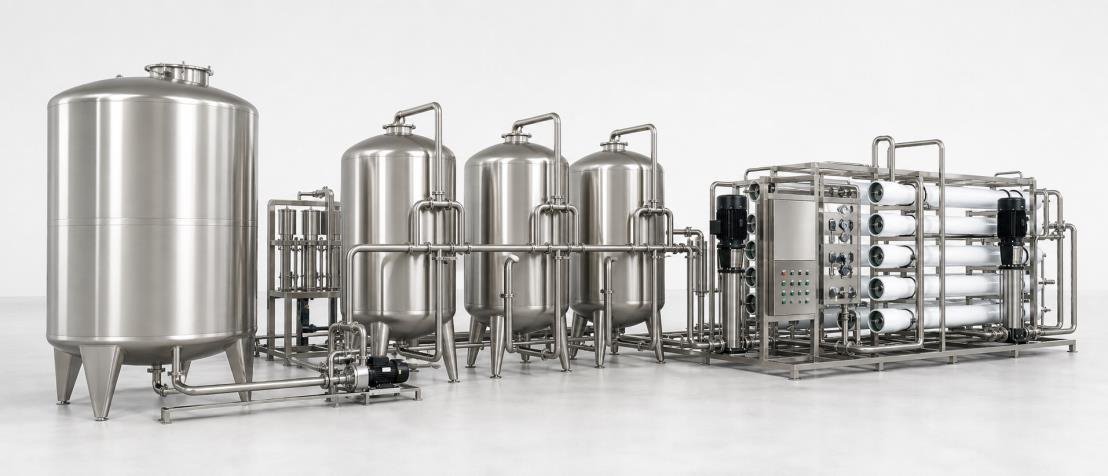
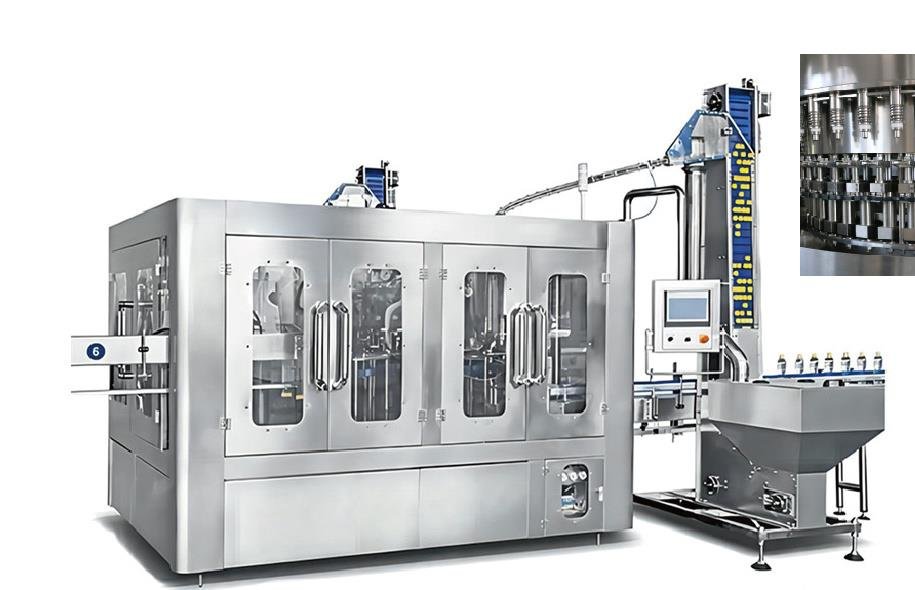
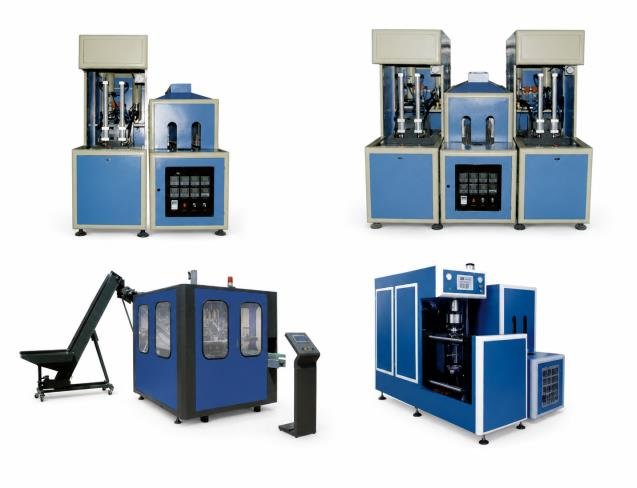
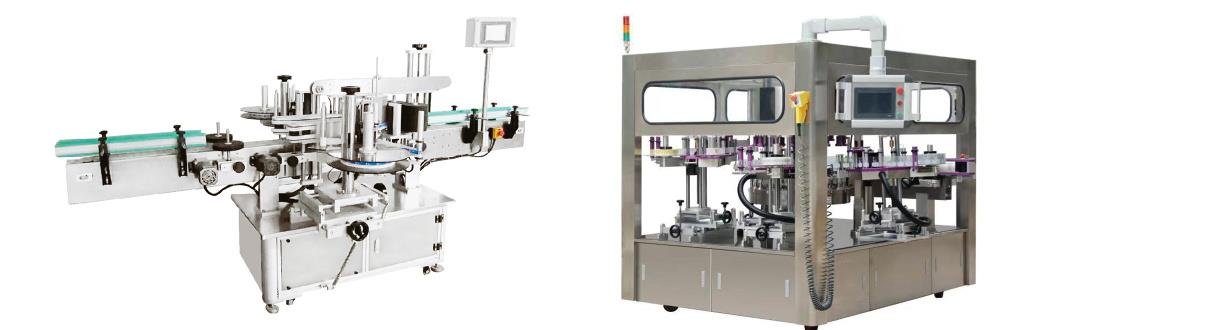
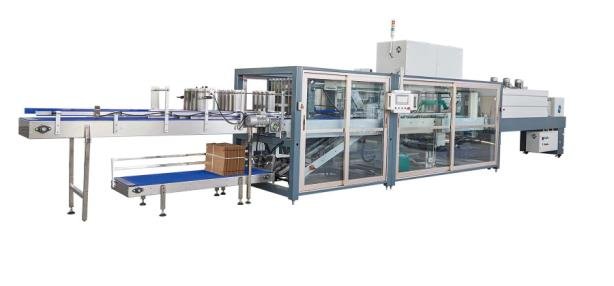
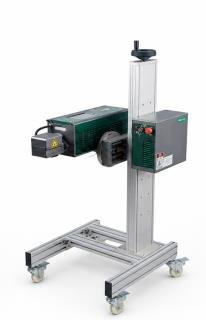
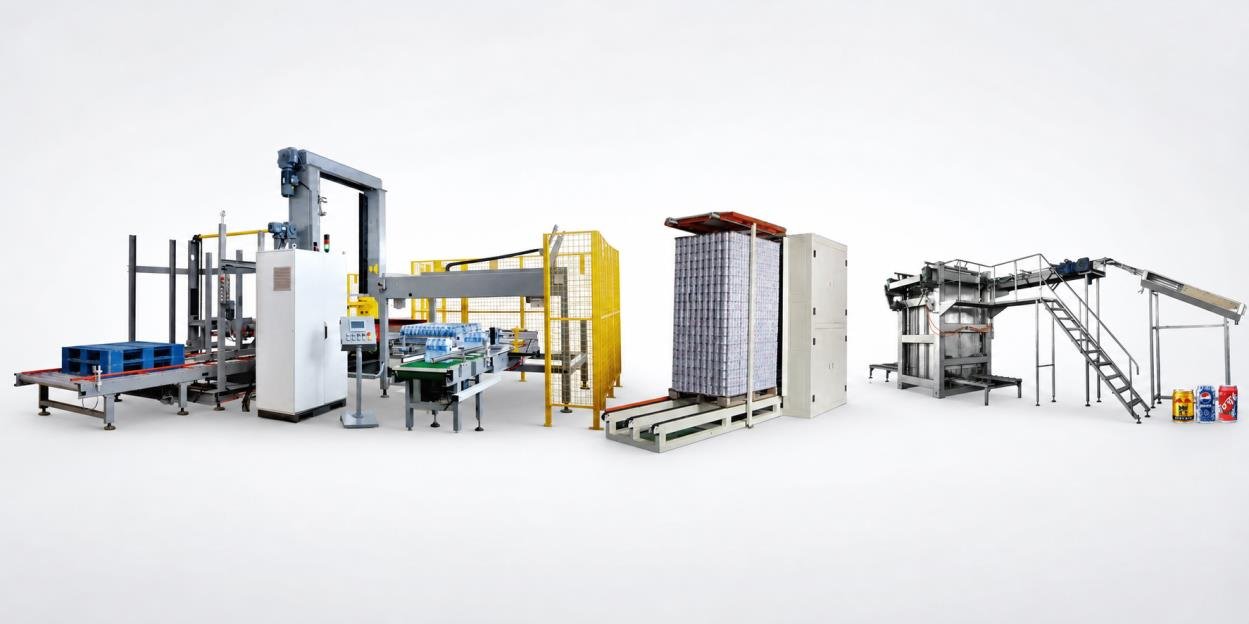
Catalog reference images: equipment context only. Final models, configuration, interfaces and performance require project-specific written confirmation.
System logic
What Makes It a System
A connected system is defined by the conditions between machines, not by the length of an equipment list.
Product flow
Water condition, transfer, storage, cleaning and hold behavior remain traceable across the product boundary.
Container flow
Bottles, caps, labels and packs arrive in the required orientation and condition at each handoff.
Capacity balance
Sustainable module rates are compared on the same reference bottle, pack and operating basis.
Utilities
Approved terminal conditions and machine permissives are recorded without replacing local distribution design.
Controls & interlocks
Ready, running, blocked, starved, faulted, stop, reset and restart meanings are shared.
Acceptance evidence
Requirements connect to agreed test conditions, records, results and open issues.
Inputs first
Freeze a Shared System Design Basis
Unknown values can remain open. They should never be hidden behind an assumed machine selection.
Risk review
Interface Gaps to Find Before Order
These are review patterns, not invented incident or performance claims.
Different operating bases
Treatment supply and filler demand are not comparable until product, time and operating conditions match.
Unfrozen reference bottle
Geometry, neck handling, change parts and transfer behavior may be designed from different revisions.
Undefined stop propagation
Local blocked or starved states do not automatically establish the required upstream and downstream response.
Reset without readiness
A cleared alarm is not by itself proof that the product path and connected modules are ready to restart.
No agreed proof
A requirement cannot close cleanly when the reference material, condition, observation and result record are unspecified.
Integration guides
Review the Boundaries That Connect the Line
Each guide creates a distinct interface card, input list and evidence path.
Water Treatment to Bottling
Supply, storage, sanitary connection, permissives and interruption response.
ContainersBlowing to Filling
Bottle geometry, quality, transport, starved/blocked states and handoff evidence.
TransfersConveyor & Accumulation
Zones, buffering basis, stop propagation, jam response and restart.
ControlsMachine State Handshakes
Shared states, ownership, fail behavior, reset and recovery scenarios.
RetrofitExisting-System Upgrade
Verified survey, mixed-vendor compatibility, tie-ins and staged restart.
ExpansionExpansion Tie-In Plan
Reserve physical, utility, controls and evidence interfaces for future equipment.
Path comparison
New Architecture and Existing-System Integration Need Different Evidence
New system
Control assumptions before they become interfaces
- Freeze one design basis across suppliers.
- Define module boundaries and open inputs.
- Normalize states, documents and test evidence.
- Reserve project-confirmed expansion tie-ins.
Existing system
Measure the installed condition before selecting additions
- Grade the confidence of current documents.
- Measure mechanical and utility tie-ins.
- Map existing states, signals and recovery.
- Plan backups, staged tests and restart.
Capacity principle
The System Rate Follows the Confirmed Constraint Chain
Compare confirmed sustainable rates on the same reference bottle, pack and operating basis. Apply availability or quality factors only when the buyer supplies or approves them. The fastest nameplate does not define preliminary saleable output.
Recommended records
Make Requirements Traceable to Evidence
These are recommended engineering records. Agreed deliverables depend on the actual project scope.
Design-basis register
Confirmed inputs, assumptions, missing data and revision status.
SystemInterfaceCards
One technical record for each machine-to-machine boundary.
State & handshake matrix
Ready, run, blocked, starved, fault, stop, reset and restart behavior.
Utility terminal list
Approved connected-equipment conditions and permissives.
Reference materials
Controlled bottle, cap, label, pack and applicable water basis.
Verification matrix
Requirement, test condition, observation, result and open issue.
How Allot Tech Supports the Technical Discussion
WaterBottlingSystem.com is a specialized system-engineering and buyer-support resource operated by Allot Tech (Suzhou) Co., Ltd.
Allot Tech supports overseas buyers with project clarification, supplier communication, quotation preparation and project follow-through. The exact supply, manufacturer and service responsibilities are established in project documents.
- Collect buyer inputs
- Clarify unknowns
- Coordinate equipment resources
- Normalize scope for review
- Review technical interfaces
- Organize quotation communication
- Confirm agreed scope
- Support agreed project follow-through
Buyer tool
Build a Preliminary System Architecture
Enter what you know. The tool separates probable modules, confirmation needs, interface questions and missing buyer data. It does not select a model, calculate a price or guarantee output.
Start the System Configurator- Preliminary modules
- Modules probably required
- Items needing confirmation
- Important interface questions
- Buyer data still missing
- Suggested next discussion
FAQ
System Integration Questions
What makes a water bottling system different from a filling machine?
A filling machine performs a defined rinsing, filling and capping function. A system also defines how water, bottles, caps, labels, packs, utilities, controls and evidence pass between all connected modules.
Can equipment from different suppliers be integrated?
It can be reviewed for integration, but compatibility must be demonstrated rather than assumed. Drawings, transfer conditions, utility sheets, signal lists, machine states and test evidence are needed for each boundary.
What information should I prepare first?
Start with the water objective, bottle and cap information, required saleable output, bottle-supply method, label and pack format, site status, available utilities and any existing-equipment records.
Does the configurator select a final machine or guarantee output?
No. It organizes preliminary modules, missing inputs and interface questions. Final engineering and performance commitments require confirmed project data and an agreed technical proposal.
Project review
Send the Basis You Have
Required fields stay limited. Optional technical inputs help make the first discussion more useful.