
Retrofit and Diagnostic Review
Water Bottling System Expansion Tie-In Plan
An expansion tie-in plan records the future connection point, reserved physical space, transferred item, terminal conditions, controls strategy, isolation method, document owner and proof needed before the added module can operate.
Decision focus
What must cross this boundary, under which condition, who owns the response, and what evidence closes the interface?
01
Direct Answer
An expansion tie-in plan records the future connection point, reserved physical space, transferred item, terminal conditions, controls strategy, isolation method, document owner and proof needed before the added module can operate.
Search intent answer
What Should a Water Bottling System Expansion Plan Reserve?
A practical answer for buyers comparing equipment, scope and connected-system requirements.
Reserve interfaces, not just floor space. A future machine needs an agreed infeed and discharge condition, accessible installation path, utility terminals, state and stop behavior, data ownership, isolation method and a record that can be checked after the current project is built.
Every reservation should distinguish what is installed now, what is physically left available, what remains only an allowance and what must be re-engineered after the future bottle, rate, pack and machine are known.
Physical reserve
Record the measured envelope, elevation, access path, supports and end conditions; a blank area on a layout is not a complete tie-in.
Process and utility reserve
Separate installed terminal capacity from provisional allowance and require a future same-basis check.
Controls and data reserve
Document spare I/O, addressing, state meanings, stop propagation, access and change-control ownership.
Verification reserve
Define which dry, connected and production-return evidence will be required when the future module is selected.
System scope
Expansion Reservation Schedule
Each row needs a current record and a future revalidation gate.
| Layer | Reserve and record now | Confirm when equipment is selected | Do not assume |
|---|---|---|---|
| Physical | Tie-in location, envelope, access, elevation and protected end condition | Actual machine dimensions, loads, transfer geometry and installation sequence | Open floor area proves compatibility |
| Product or container | Current transfer direction, hygienic or handling boundary and isolation point | Actual water, bottle, cap, label or pack condition and rates | Today's product basis covers a future format |
| Utilities | Named terminal, current service, installed measurement point and protection | Future demand, diversity, pressure, quality and loss response on the same basis | A spare branch has usable capacity |
| Controls and safety boundary | Panel boundary, available interface strategy, state definitions and change owner | Actual signal map, fail behavior, stop propagation, reset and restart | Spare I/O alone closes integration |
| Documents and tests | Reservation schedule, controlled drawing locations and revision owner | Redlines, interface approval, dry checks, connected scenarios and restart evidence | A legacy drawing will remain as-built |
02
Position in the System
This guide coordinates equipment-side expansion boundaries and future machine tie-ins. It does not design the building, plant-wide distribution or an unapproved future production configuration. It controls the boundary between The installed or currently designed bottled-water system and its approved spare interfaces and A future treatment, bottle-handling, filling, labeling, packing, inspection or pallet-handling module. It does not promise future capacity, approve unused utilities or treat provisional space as a final equipment layout.
03
Buyer Inputs
- The buyer decision to close: Which interfaces should be reserved and documented now so future water bottling equipment can be added without guessing the installed boundary?
- Current drawings, data and operating records from The installed or currently designed bottled-water system and its approved spare interfaces.
- Approved terminal requirements and failure behavior from A future treatment, bottle-handling, filling, labeling, packing, inspection or pallet-handling module.
- Project evidence for closure: reserved-interface drawings, load and terminal schedules, spare-I/O or data strategy, isolation plan, redlines and future connected-test requirements.
- Named buyer, supplier and local owners for assumptions, actions, review and final approval.
04
Interface Map
One controlled record for the physical, process, utility, control and evidence boundary.
SystemInterfaceCard
Water Bottling System Expansion Tie-In Plan
- Upstream system
- The installed or currently designed bottled-water system and its approved spare interfaces
- Downstream system
- A future treatment, bottle-handling, filling, labeling, packing, inspection or pallet-handling module
- Transferred material
- A future equipment connection defined by location, physical envelope, process condition, utilities, states, data, isolation and verification duties
- Physical connection
- The documented physical, process, utility, signal or evidence boundary covered by this topic.
- Required condition
- Reserved interfaces remain identifiable, protected, documented and revalidated against the actual equipment selected at the future decision gate
- Utility requirement
- Current utility conditions must be measured at the tie-in and protected during the change; nominal or historic values are not treated as verified.
- Control signal
- Availability, ready, hold, stop, fault, reset and restart information as applicable to the boundary
- Failure response
- A label such as future connection or spare capacity is used without a named terminal, condition, owner or revalidation requirement. Hold the affected decision or operation until the named owner confirms the recovery basis.
- Evidence required
- Expansion tie-in reservation schedule, supported by reserved-interface drawings, load and terminal schedules, spare-I/O or data strategy, isolation plan, redlines and future connected-test requirements.
Equipment Context at This Boundary
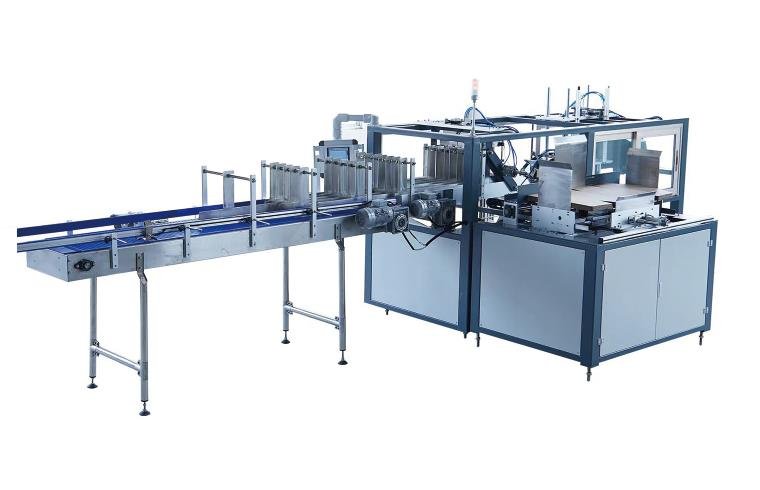
Equipment Used Across This System Scope
These images identify equipment categories and connection points. Final model and configuration selection remains project-specific.
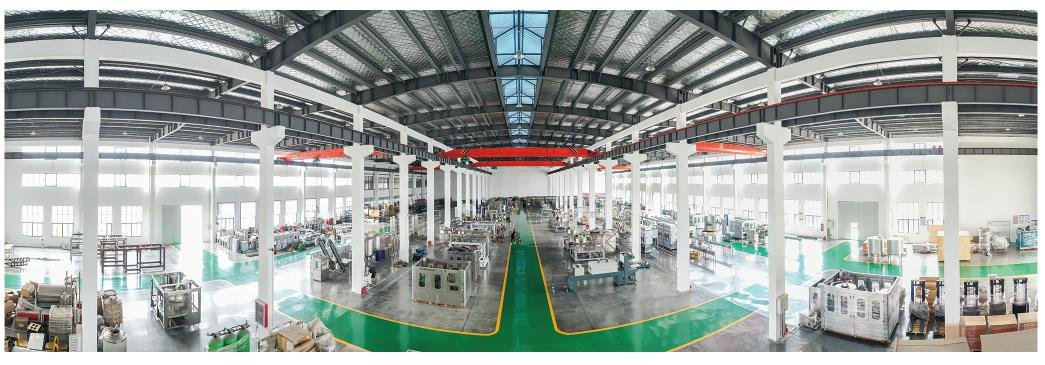
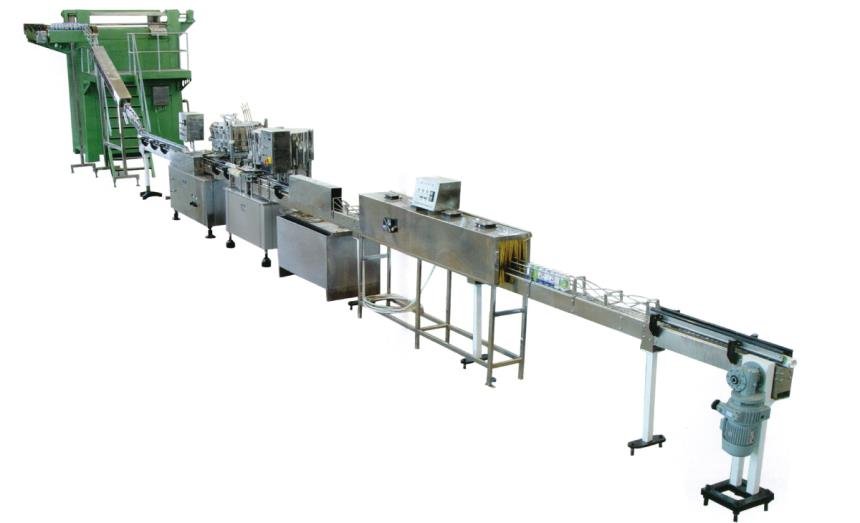
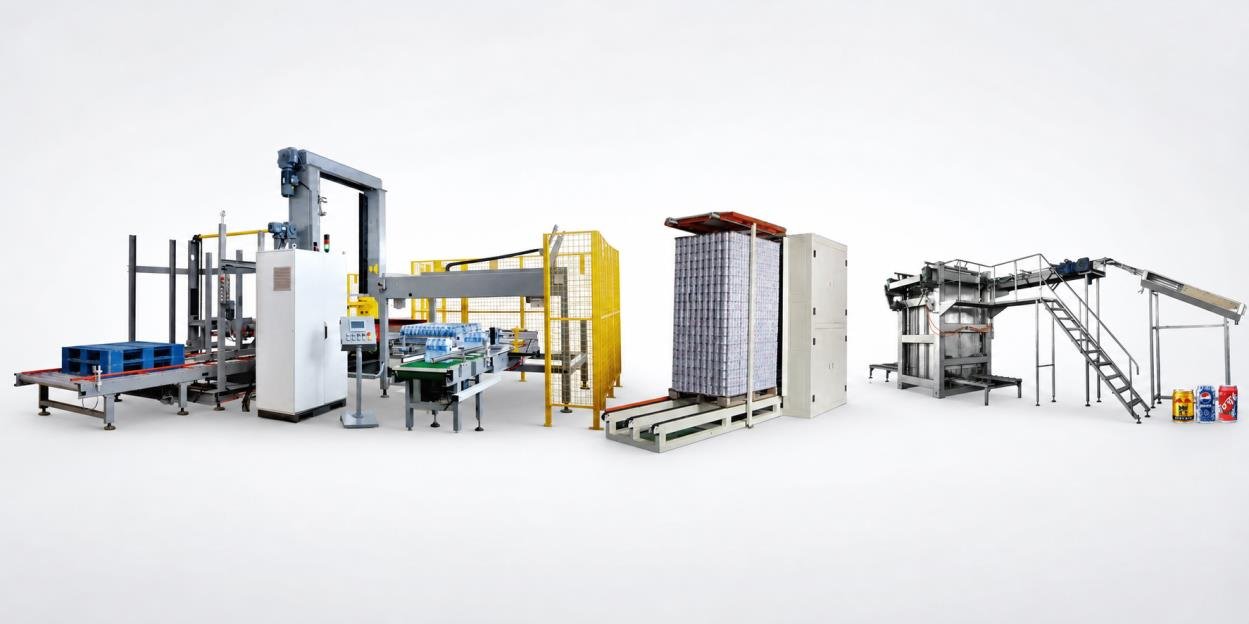
Catalog reference images: equipment context only. Final models, configuration, interfaces and performance require project-specific written confirmation.
05
Main Design Decisions
Decision basis
An expansion tie-in plan records the future connection point, reserved physical space, transferred item, terminal conditions, controls strategy, isolation method, document owner and proof needed before the added module can operate.
Boundary and handoff
Record A future equipment connection defined by location, physical envelope, process condition, utilities, states, data, isolation and verification duties between The installed or currently designed bottled-water system and its approved spare interfaces and A future treatment, bottle-handling, filling, labeling, packing, inspection or pallet-handling module.
Required condition and ownership
Reserved interfaces remain identifiable, protected, documented and revalidated against the actual equipment selected at the future decision gate. The buyer controls site access and records; each supplier confirms its boundary; the coordinator maintains the measured gap and test log.
Closure artifact
Maintain the expansion tie-in reservation schedule against reserved-interface drawings, load and terminal schedules, spare-I/O or data strategy, isolation plan, redlines and future connected-test requirements and preserve the approved revision.
06
Trade-offs to Resolve
Define now vs. carry an assumption
Closing this decision early can narrow supplier interpretation. Leaving it open may preserve options, but the assumption and later decision gate must be visible.
Local machine simplicity vs. system coordination
Adapting one side can reduce site work, while shifting constraints into the new equipment or control layer. The compatibility record should make that choice visible.
Broader scope vs. controlled boundary
It does not promise future capacity, approve unused utilities or treat provisional space as a final equipment layout. Keep the page focused on the evidence needed for this one system decision.
07
Common Failure Modes
These are realistic review scenarios, not claims about a completed project.
- A label such as future connection or spare capacity is used without a named terminal, condition, owner or revalidation requirement.
- The upstream and downstream parties use different product, format, operating or revision assumptions.
- The required condition is described but no party owns detection, response, reset or approval.
- The interface is accepted from a catalog or nominal value without current project evidence.
- A drawing or successful local machine test is treated as proof of the complete connected behavior.
08
Required Documents
- Expansion tie-in reservation schedule with owner, revision and status
- Installed-condition survey and redlined drawing
- Current backups and revision register
- Tie-in, rollback and restart plan
- Before-and-after scenario evidence
09
Questions to Ask Before Quotation
- Which interfaces should be reserved and documented now so future water bottling equipment can be added without guessing the installed boundary?
- What exact material, condition, signal, document or decision crosses this boundary?
- Which party detects a missing condition, owns the response and authorizes recovery?
- Which current document, sample, measurement or witnessed result will close the expansion tie-in reservation schedule?
- Which unknown remains open, who must confirm it and before which project decision?
Project-Specific Confirmation
This guide is an engineering interpretation for early coordination. The final expansion tie-in reservation schedule, equipment arrangement, terminal conditions, responsibilities and acceptance criteria require current project data and written approval by the applicable buyer, suppliers and local responsible parties.
11
Related System Pages
Questions
Questions About This Interface Decision
What decision does this Water Bottling System Expansion Tie-In Plan guide help close?
An expansion tie-in plan records the future connection point, reserved physical space, transferred item, terminal conditions, controls strategy, isolation method, document owner and proof needed before the added module can operate.
What should a buyer prepare for this review?
Prepare current project drawings, supplier records, reference samples or measurements relevant to the boundary, plus the owner and revision of each item.
Does this page approve a final design or supplier claim?
No. It organizes the decision and required evidence. Final engineering, equipment, performance and acceptance depend on the actual project and written confirmation.
Turn the unknowns into a reviewable interface
Review This System Decision
Share the available bottle, output, site, utility and supplier evidence. Open items can remain explicitly marked for confirmation.