
System Planning and Definition
Water Bottling System Interface Glossary
Use one project glossary for boundary, handoff, terminal condition, permissive, ready, blocked, starved, fault, fail state, reset, restart, hold point, punch item, traceability and as-built status, then link each term to its project record.
Decision focus
What must cross this boundary, under which condition, who owns the response, and what evidence closes the interface?
01
Direct Answer
Use one project glossary for boundary, handoff, terminal condition, permissive, ready, blocked, starved, fault, fail state, reset, restart, hold point, punch item, traceability and as-built status, then link each term to its project record.
Search intent answer
Key Water Bottling System Interface Terms
A practical answer for buyers comparing equipment, scope and connected-system requirements.
Interface disputes often begin with ordinary words that carry different machine-level meanings. Ready may mean powered, available, permissive-satisfied or ready to accept product. Reset may clear a local fault without proving that the transfer path is ready to restart.
Record the project meaning, owner and source wherever a term can change a command, equipment response, test result or release decision. Keep the glossary compact enough to govern real documents and update it through change control.
Boundary
The named demarcation where material, utilities, signals, information or responsibility passes between parties or functions.
Handoff
The transferred item plus its required condition, timing, ownership, abnormal response and evidence.
Terminal condition
The measurable or observable requirement at a named equipment connection, stated on an agreed operating basis.
Closure evidence
The approved document, measurement, sample or witnessed result that permits an interface status to be closed.
System scope
Controls, Test and Document Terms
Use these as working definitions and adapt them explicitly in the project glossary.
| Term | Working definition | What must be project-specific |
|---|---|---|
| Permissive | A condition that must be satisfied before a defined action is allowed | Source, logic, loss response and reset rule |
| Ready | The equipment condition that confirms it can perform the exact agreed next action | Preconditions, destination, maintained or pulsed behavior and timeout |
| Blocked | The downstream path cannot accept the transferred item under the agreed condition | Detection point, delay, propagation and clearing rule |
| Starved | The upstream supply cannot provide the transferred item under the agreed condition | Detection point, delay, machine response and restart rule |
| Fail state | The defined output and equipment behavior after power, signal, network or utility loss | Safe condition, held values, local autonomy and recovery authority |
| Reset | Acknowledgement or clearing of a defined fault condition | Who can initiate it and what reset does not prove |
| Controlled restart | The sequenced return of path, machines and material flow after an interruption | Prerequisites, order, owner, observation and abort condition |
| Hold point | A planned gate that cannot pass until specified evidence is reviewed or approved | Approver, required record and permitted next work |
| Punch item | An observed incomplete or nonconforming item recorded during review or testing | Owner, due gate, impact, retest and closure authority |
| As-built | A controlled record updated to the condition actually installed and accepted | Revision, redline source, approval and open-item status |
02
Position in the System
This glossary supplies working definitions for cross-machine coordination on WaterBottlingSystem.com. Project contracts, supplier manuals, safety standards and local regulations remain authoritative for their own defined terms. It controls the boundary between Buyer requirements, supplier documents, control narratives and test plans that may use different wording and One project vocabulary linked to interface, I/O, test, issue and as-built records. It does not replace definitions in signed project documents, safety requirements, supplier manuals or applicable law.
03
Buyer Inputs
- The buyer decision to close: Which shared terms should buyers and connected equipment suppliers define before interface, controls and acceptance documents are compared?
- Current drawings, data and operating records from Buyer requirements, supplier documents, control narratives and test plans that may use different wording.
- Approved terminal requirements and failure behavior from One project vocabulary linked to interface, I/O, test, issue and as-built records.
- Project evidence for closure: the approved glossary, cross-referenced interface cards, state matrix, test records, issue register and as-built document index.
- Named buyer, supplier and local owners for assumptions, actions, review and final approval.
04
Interface Map
One controlled record for the physical, process, utility, control and evidence boundary.
SystemInterfaceCard
Water Bottling System Interface Glossary
- Upstream system
- Buyer requirements, supplier documents, control narratives and test plans that may use different wording
- Downstream system
- One project vocabulary linked to interface, I/O, test, issue and as-built records
- Transferred material
- A term, its project definition, responsible owner, source document, applicable boundary and approved revision
- Physical connection
- The documented physical, process, utility, signal or evidence boundary covered by this topic.
- Required condition
- Terms that affect machine behavior, release or acceptance have one approved meaning and are used consistently in connected documents
- Utility requirement
- Only equipment terminal conditions are recorded here; plant distribution and local code design remain with the responsible local parties.
- Control signal
- Availability, ready, hold, stop, fault, reset and restart information as applicable to the boundary
- Failure response
- Two parties use the same word for different conditions or different words for the same required response. Hold the affected decision or operation until the named owner confirms the recovery basis.
- Evidence required
- Shared interface terminology register, supported by the approved glossary, cross-referenced interface cards, state matrix, test records, issue register and as-built document index.
Equipment Context at This Boundary

Equipment Used Across This System Scope
These images identify equipment categories and connection points. Final model and configuration selection remains project-specific.
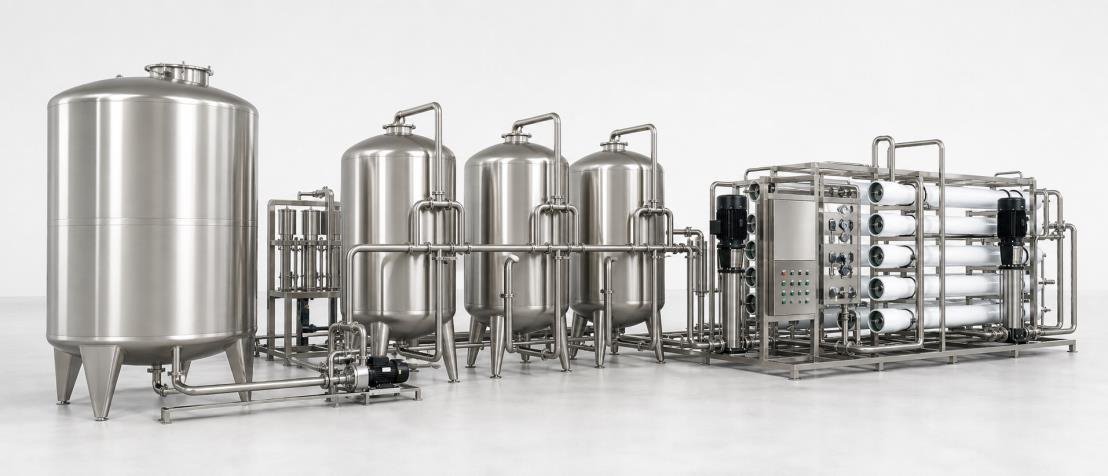
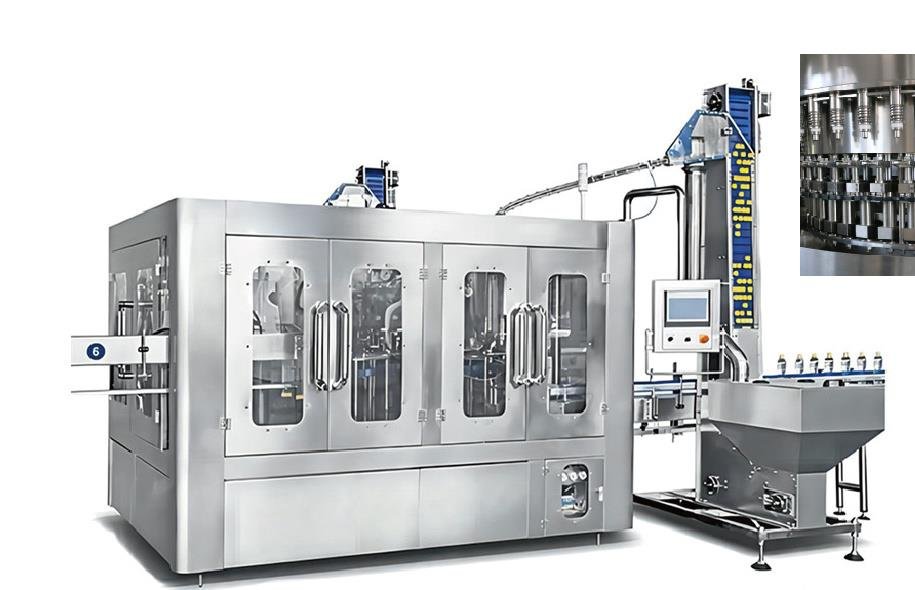
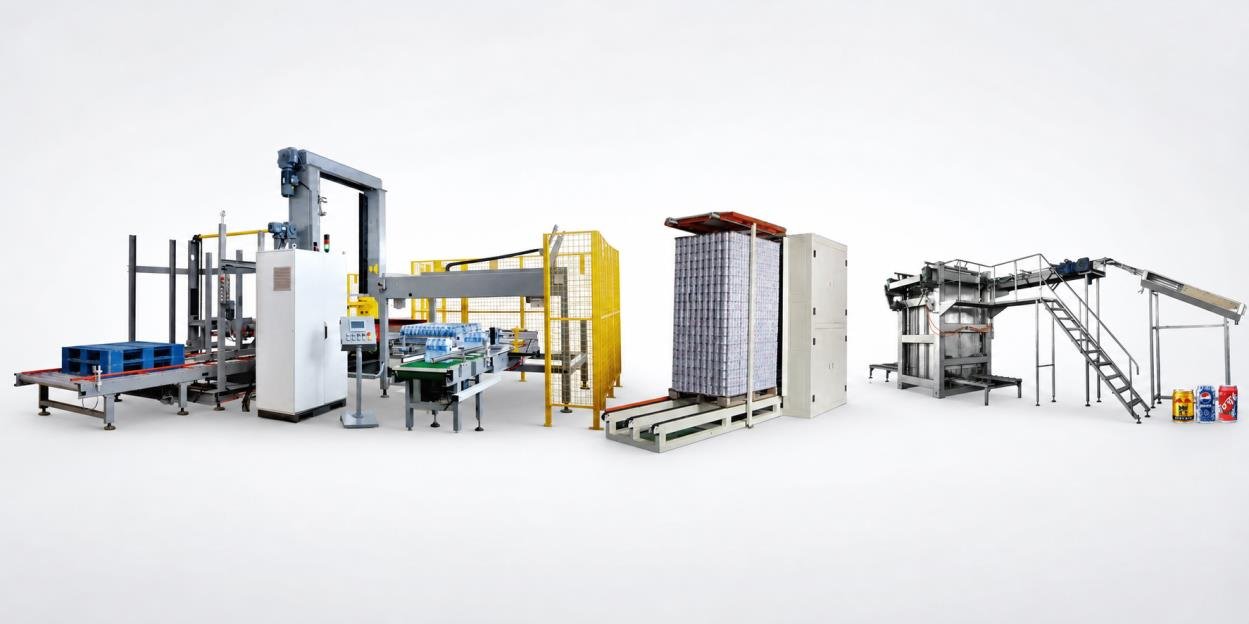
Catalog reference images: equipment context only. Final models, configuration, interfaces and performance require project-specific written confirmation.
05
Main Design Decisions
Decision basis
Use one project glossary for boundary, handoff, terminal condition, permissive, ready, blocked, starved, fault, fail state, reset, restart, hold point, punch item, traceability and as-built status, then link each term to its project record.
Boundary and handoff
Record A term, its project definition, responsible owner, source document, applicable boundary and approved revision between Buyer requirements, supplier documents, control narratives and test plans that may use different wording and One project vocabulary linked to interface, I/O, test, issue and as-built records.
Required condition and ownership
Terms that affect machine behavior, release or acceptance have one approved meaning and are used consistently in connected documents. The buyer owns the operating requirement; each supplier owns its machine data; the system coordinator maintains the shared interface record.
Closure artifact
Maintain the shared interface terminology register against the approved glossary, cross-referenced interface cards, state matrix, test records, issue register and as-built document index and preserve the approved revision.
06
Trade-offs to Resolve
Define now vs. carry an assumption
Closing this decision early can narrow supplier interpretation. Leaving it open may preserve options, but the assumption and later decision gate must be visible.
Local machine simplicity vs. system coordination
A broader early definition can expose more gaps, while a narrower definition can move decisions faster. The chosen boundary must remain explicit.
Broader scope vs. controlled boundary
It does not replace definitions in signed project documents, safety requirements, supplier manuals or applicable law. Keep the page focused on the evidence needed for this one system decision.
07
Common Failure Modes
These are realistic review scenarios, not claims about a completed project.
- Two parties use the same word for different conditions or different words for the same required response.
- The upstream and downstream parties use different product, format, operating or revision assumptions.
- The required condition is described but no party owns detection, response, reset or approval.
- The interface is accepted from a catalog or nominal value without current project evidence.
- A drawing or successful local machine test is treated as proof of the complete connected behavior.
08
Required Documents
- Shared interface terminology register with owner, revision and status
- Approved design-basis register
- Current equipment and interface list
- Open-input and decision log
- Revision-controlled supplier data
09
Questions to Ask Before Quotation
- Which shared terms should buyers and connected equipment suppliers define before interface, controls and acceptance documents are compared?
- What exact material, condition, signal, document or decision crosses this boundary?
- Which party detects a missing condition, owns the response and authorizes recovery?
- Which current document, sample, measurement or witnessed result will close the shared interface terminology register?
- Which unknown remains open, who must confirm it and before which project decision?
Project-Specific Confirmation
This guide is an engineering interpretation for early coordination. The final shared interface terminology register, equipment arrangement, terminal conditions, responsibilities and acceptance criteria require current project data and written approval by the applicable buyer, suppliers and local responsible parties.
11
Related System Pages
Questions
Questions About This Interface Decision
What decision does this Water Bottling System Interface Glossary guide help close?
Use one project glossary for boundary, handoff, terminal condition, permissive, ready, blocked, starved, fault, fail state, reset, restart, hold point, punch item, traceability and as-built status, then link each term to its project record.
What should a buyer prepare for this review?
Prepare current project drawings, supplier records, reference samples or measurements relevant to the boundary, plus the owner and revision of each item.
Does this page approve a final design or supplier claim?
No. It organizes the decision and required evidence. Final engineering, equipment, performance and acceptance depend on the actual project and written confirmation.
Turn the unknowns into a reviewable interface
Review This System Decision
Share the available bottle, output, site, utility and supplier evidence. Open items can remain explicitly marked for confirmation.