
System Planning and Definition
Water Bottling System Cost: Compare Quotes Without Missing Scope
Build a comparable quotation basis and a responsibility register for the interfaces that can turn an apparently low equipment price into unfinished site work.
Decision focus
Are the offers pricing the same connected system, or different equipment boundaries?
01
Direct Answer
A water bottling system cost comparison starts with a common water, bottle, pack and accepted-output basis. Compare each quoted machine together with its transfers, utility terminal points, controls, installation and test deliverables. Mark every item included, excluded, optional or unpriced, with a named owner; an unpriced requirement is not a zero-cost inclusion.
Find the scope gap before comparing the headline price
Two offers can show the same filler speed yet cover different work. One may stop at the machine outlet; another may include the transfer conveyor, control signals and connected site test. Use a scope register to make that difference visible before asking which offer is cheaper.
Issue one quotation basis to every supplier
State the reference bottle and cap drawings, pack arrangement, water condition, bottle-supply method and required good finished output over an agreed period. Attach the equipment boundary and available site layout with document revisions. A filler rating in bottles/hour is not automatically the duty at the finished-pack exit. If inputs are provisional, identify them and request the supplier's assumptions rather than letting each offer silently price a different system.
Give each interface an owner and a quotation status
List transfers, accumulation, format parts, utility generation and machine connections, piping, cabling, controls integration, access and installation separately. For example, an air inlet included on a blower does not mean that a compressor, treatment and site distribution are included. Record included, excluded, optional or unpriced against each item, the physical terminal point, responsible party and required clarification. Keep unresolved items open instead of assigning them a zero value.
Request a revised offer with acceptance deliverables
Compare offers again after the suppliers confirm the same scope. Distinguish equipment supply, site preparation, installation, startup support and ongoing operating requirements; do not combine unlike price bases. Specify reference materials, factory tests, connected site tests, training, documentation and the owner of each record. If a bottle, layout or utility assumption changes, request a dated revision and identify affected items. A comparison table supports clarification, not a fixed project total.
Control quotation changes when the bottle or scope changes
After a bottle, cap or pack revision, keep the previous offer visible but do not assume its scope still applies. Link each proposed change to the approved drawing revision, affected format parts, transfers, controls and tests. Ask the owner of each affected connection to state whether the existing item remains included, needs revision or is still unpriced. Keep options and buyer-supplied work separate from confirmed inclusions, and avoid adding an item again if another supplier already covers it. A lower unchanged machine subtotal cannot settle the cost of a revised interface. Compare offers only after the same revision and acceptance boundary have been acknowledged.
Prepare records for a comparable quotation
- One revision-controlled water, bottle, cap, pack and accepted-output basis.
- An itemized inclusion/exclusion register with owners and unpriced requirements visibly open.
- A layout with transfer boundaries and utility terminal requirements, distinguishing measured data from assumptions.
- A factory/site test and handover scope covering materials, records, training and unresolved conditions.
- Maintain a change register linking bottle/pack revisions to affected inclusions, exclusions, owners and unresolved prices.
Procurement planning guidance only. No universal price, saving, payback or fixed turnkey scope is promised. Suppliers and qualified project personnel must confirm technical suitability, site work, commercial terms and safe acceptance before commitment.
Close the linked quotation questions
- Check machine utility requirements — Separate a machine connection from the generation and distribution package.
- Confirm the accepted-output basis — Compare stage rates without treating a catalog maximum as sustained line output.
- Specify factory and site acceptance — Ask what tests, materials and handover records the price actually includes.
Planning essentials
What Changes Water Bottling System Cost?
A practical answer for buyers comparing equipment, scope and connected-system requirements.
Water bottling system cost changes with much more than nominal output. Water-treatment duty, bottle and cap formats, bottle-making strategy, filling configuration, label and pack method, automation, utilities, site conditions, existing-equipment tie-ins, documentation and acceptance scope can all change the quoted boundary.
This page focuses on the technical gaps that make two apparently similar quotations incomparable. It does not publish generic prices because a number without a matched scope can hide more risk than it resolves.
Product and format basis
Water duty, bottle geometry, cap, label, pack and changeover requirements determine equipment and change parts.
Automation and handling
Manual loading, automatic bottle supply, inspection, packing and palletizing create different equipment and control boundaries.
Site and utility conditions
Available terminals, access, foundations, piping, cabling, drainage and tie-ins can move work into or out of supplier scope.
Documents and verification
Drawings, software backups, FAT/SAT scenarios, training, spares and acceptance records must be visible in the quotation basis.
System scope
Water Bottling System Cost-Risk Checklist
Ask suppliers to state these items before comparing total quotation values.
Scroll the table sideways to read every column. With a keyboard, focus the table and use the left or right arrow key.
| Cost driver | Hidden interface risk | Quotation evidence to request |
|---|---|---|
| Water treatment duty | Source-water or net-output assumptions are not shared with filling demand. | Treatment basis, process scope, net supply and tank/transfer schedule. |
| Bottle and cap formats | Unpriced molds, change parts, trials or bottle-handling adaptations. | Approved drawings, format list, included change parts and sample-test basis. |
| Label and pack formats | Film, carton, label or code requirements are treated as future details. | Material specifications, pack drawings, included tooling and trial responsibility. |
| Conveyors and accumulation | Main machines are priced but the transfer route or control zones are incomplete. | Layout, conveyor scope, sensors, accumulation basis and state ownership. |
| Utilities | Supplier requirements and available site conditions use different units or duty assumptions. | Machine terminal sheets, site measurements and connection responsibility. |
| Mixed-vendor tie-ins | Existing geometry, controls and shutdown limitations are assumed rather than surveyed. | Tie-in survey, compatibility matrix, backups, installation and rollback plan. |
| Acceptance and documentation | Connected tests, software records, manuals or training are excluded or undefined. | Deliverable register, scenario plan, acceptance criteria and open-item process. |
Compare the options
Separate Equipment Price from the Full Project Cost
Build these headings into a comparison sheet without inventing figures for missing quotations. Keep one-off project work separate from recurring production inputs.
Scroll the table sideways to read every column. With a keyboard, focus the table and use the left or right arrow key.
| Cost group | Items to identify | How to compare |
|---|---|---|
| Equipment and format parts | Treatment, bottle supply, filler/capper, labeling, packing, conveyors, controls, molds and change parts. | Use one equipment list, bottle/pack basis and list of included formats. |
| Site and utility work | Machine connections, distribution, air/cooling auxiliaries where required, piping, cabling and installation access. | Separate supplier scope from local work; mark each missing price and its owner. |
| Delivery and startup scope | Packing for shipment, transport responsibilities, installation support, trial materials, training and initial spares. | Record what each offer actually includes and obtain separate quotations for excluded work. |
| Recurring production inputs | Bottles or preforms, caps, labels, packaging, electricity, water, cleaning inputs, maintenance and operator tasks. | Request equipment-specific consumption and maintenance data; do not infer cost per bottle from nominal speed. |
| Changes and acceptance | Additional formats, retained-equipment adaptations, connected tests and unresolved deviations. | Record the required work, approval point and whether it is included, excluded or unpriced. |
Practical review
Compare Two Offers Without Hiding Unpriced Scope
Illustrative quotation review, with no invented equipment prices. Keep an unresolved item marked unpriced instead of treating it as zero. Only compare totals after both suppliers use the same inclusion and operating basis.
Scroll the table sideways to read every column. With a keyboard, focus the table and use the left or right arrow key.
| Comparison row | Offer A wording | Offer B wording | Clarification needed |
|---|---|---|---|
| Bottle transfer | Conveyors included | Conveyors by others | Same route length, heights, guide parts, sensors and control zones; price the excluded work. |
| Compressed-air boundary | Air connection included | Compressor package included | Separate air generation, treatment, receiver, distribution and the machine terminal. |
| Format change | One bottle format | Two formats supported | Identify included molds, change parts, sample trials, recipes and supplier changeover work. |
| Acceptance test | Factory test included | Connected wet run included | Match the test materials, machine interfaces, scenarios, result records and open-item closure. |
Ask each supplier for a revised scope sheet with Included, Excluded or Unpriced against every connection. This creates a defensible comparison; it does not turn an unconfirmed quotation into a budget commitment.
Choose Your Next Planning Step
A quotation says complete but the boundary is unclear?
Check equipment and supply boundariesBottle supply changes both equipment and utility scope?
Compare purchased bottles with on-site blowingReady to discuss your actual scope?
Send the available project basis for review
02
Position in the System
This page identifies technical interface exposure in a quotation; it does not estimate total line price, capacity economics or return on investment. It controls the boundary between Buyer requirements, approved product formats and available site records and A coordinated mixed-vendor system definition for technical review. It gives no fixed price, budget range, supplier ranking or return-on-investment claim.
03
Buyer Inputs
- The same bottle, closure, label, pack and finished-output basis for every quotation being compared.
- A line-item equipment list showing quantities, options, change parts, initial spares and explicit exclusions.
- The quoted currency, quotation date, validity, delivery destination and stated delivery terms.
- A separate list of site preparation, freight, local charges, utilities, installation, trials and training; mark unpriced items as unknown.
- Your expected production schedule and available supplier inputs for consumption, maintenance and recurring consumable costs.
04
Interface Map
One controlled record for the physical, process, utility, control and evidence boundary.
SystemInterfaceCard
Water Bottling System Cost: Equipment, Site Work and Quotation Comparison
- Upstream system
- Buyer requirements, approved product formats and available site records
- Downstream system
- A coordinated mixed-vendor system definition for technical review
- Transferred material
- Unresolved technical assumptions that may create added scope or quotation exclusions
- Physical connection
- The documented physical, process, utility, signal or evidence boundary covered by this topic.
- Required condition
- Each exposure is tied to an open input, named owner and required quotation clarification
- Utility requirement
- Only equipment terminal conditions are recorded here; plant distribution and local code design remain with the responsible local parties.
- Control signal
- Availability, ready, hold, stop, fault, reset and restart information as applicable to the boundary
- Failure response
- A low apparent equipment price omits the adaptations or site work required to close the actual interfaces. Hold the affected decision or operation until the named owner confirms the recovery basis.
- Evidence required
- Interface cost-gap register, supported by supplier exclusions, interface gaps, site records and the current quotation basis.
Equipment Context at This Boundary

Equipment Used Across This System Scope
These images identify equipment categories and connection points. Final model and configuration selection remains project-specific.
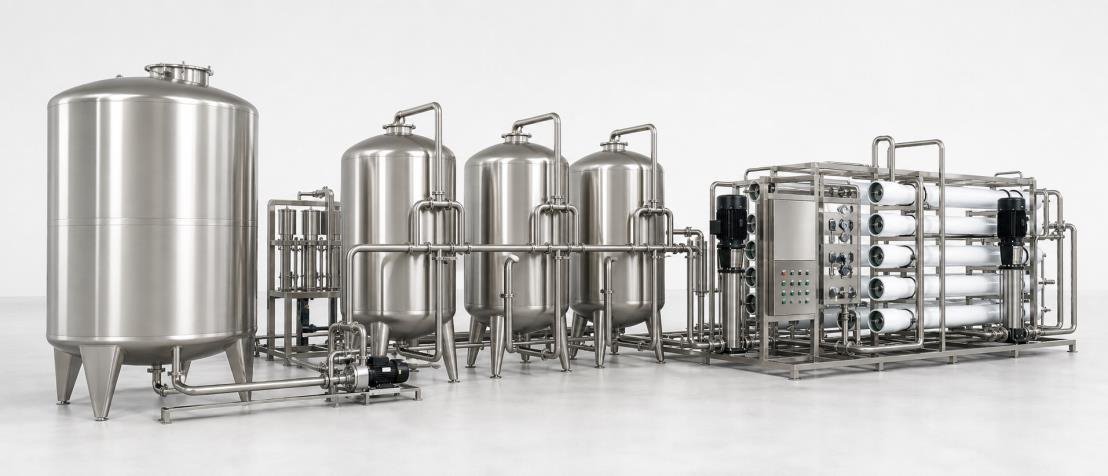
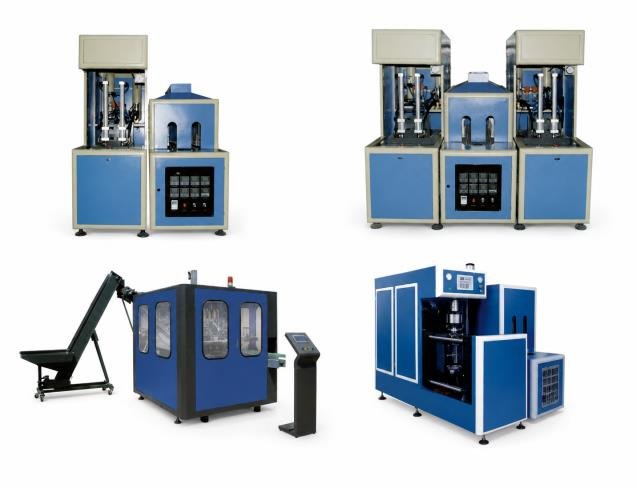
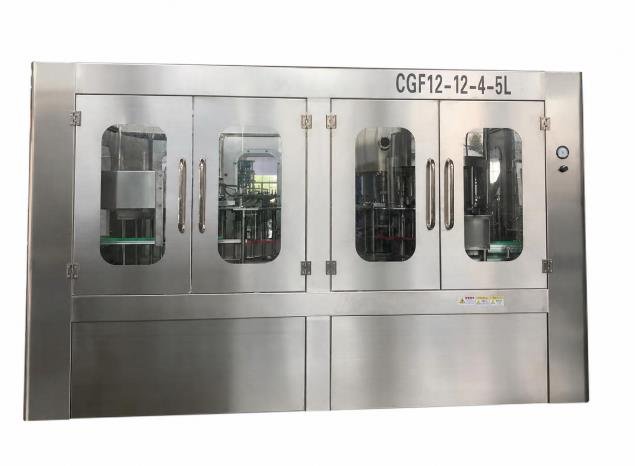
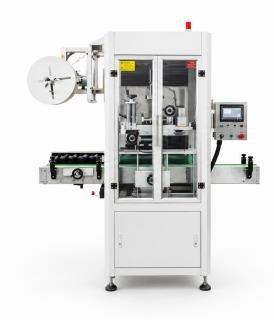
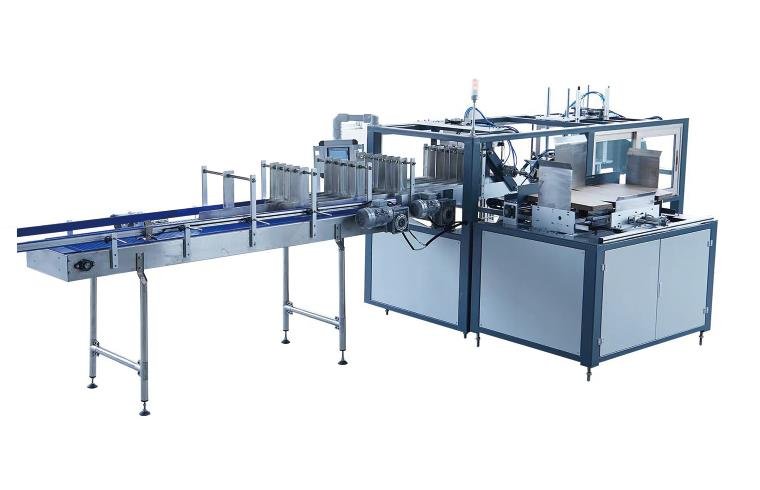
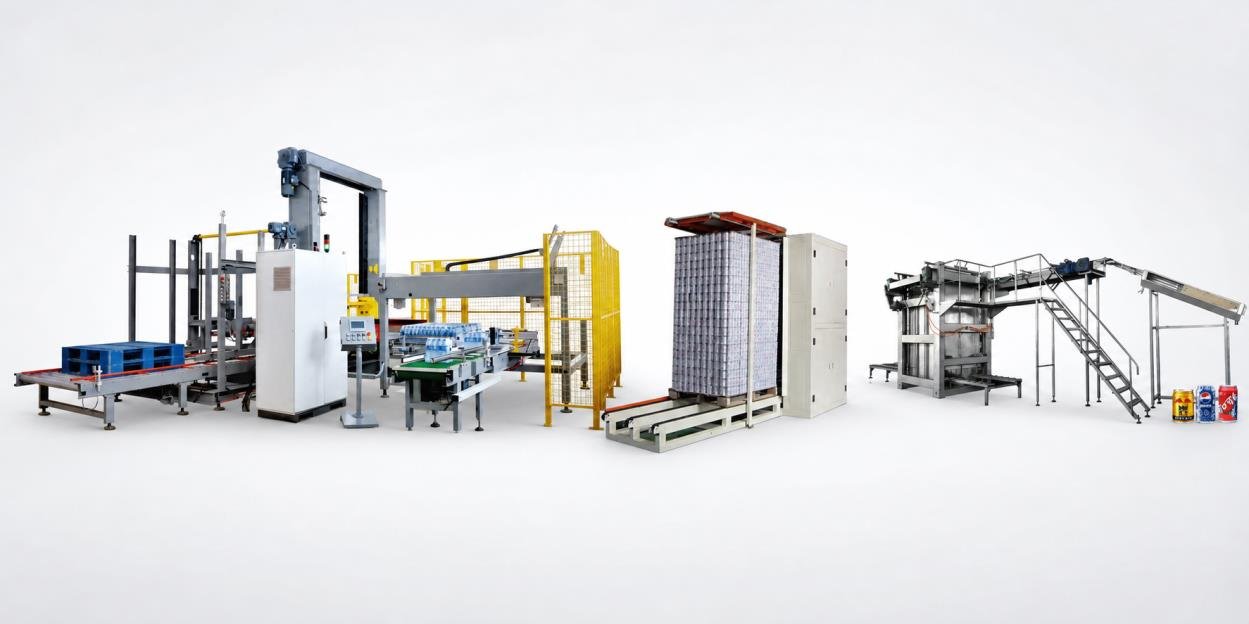
Catalog reference image used to explain equipment and system interfaces. It is not a fixed package or a completed customer project.
05
Main Design Decisions
Decision basis
Water bottling system cost depends on the water-treatment duty, bottle and pack formats, required output, bottle-supply method, automation and site conditions. Separate the equipment quotation from installation and utility work, startup materials and ongoing operating inputs. A useful price comparison starts with the same scope; an excluded or unpriced item is not a zero-cost item.
Boundary and handoff
Record Unresolved technical assumptions that may create added scope or quotation exclusions between Buyer requirements, approved product formats and available site records and A coordinated mixed-vendor system definition for technical review.
Required condition and ownership
Each exposure is tied to an open input, named owner and required quotation clarification. The buyer owns the operating requirement; each supplier owns its machine data; the system coordinator maintains the shared interface record.
Closure artifact
Maintain the interface cost-gap register against supplier exclusions, interface gaps, site records and the current quotation basis and preserve the approved revision.
06
Trade-offs to Resolve
Lowest equipment total or comparable project scope?
A lower machine price can exclude work that another offer includes. Reconcile quantities, connections, change parts and services before comparing totals. Keep unknown costs visible rather than treating an empty price cell as zero.
Initial capital or operating workload?
An automation option may shift work from operators to equipment, maintenance and consumables. Compare the tasks and confirmed consumption basis over your intended schedule. A supplier must substantiate any proposed saving or payback calculation.
Buy future options now or add them later?
Extra formats or downstream automation can increase the initial scope. Deferral keeps the current purchase narrower but may require later space, controls, utilities and installation work. Ask for separate option prices and the limits of later expansion.
07
Common Failure Modes
These are realistic review scenarios, not claims about a completed project.
- A low apparent equipment price omits the adaptations or site work required to close the actual interfaces.
- The upstream and downstream parties use different product, format, operating or revision assumptions.
- The required condition is described but no party owns detection, response, reset or approval.
- The interface is accepted from a catalog or nominal value without current project evidence.
- A drawing or successful local machine test is treated as proof of the complete connected behavior.
08
Required Documents
- Interface cost-gap register with owner, revision and status
- Approved design-basis register
- Current equipment and interface list
- Open-input and decision log
- Revision-controlled supplier data
09
Questions to Ask Before Quotation
- Do all prices use the same bottle, packed-output target, equipment quantities and delivery basis?
- Which connections, parts, services and site works are missing or separately priced?
- Which freight, local charges and installation costs remain to be confirmed by the responsible parties?
- What documented consumption and maintenance inputs are available for an operating-cost comparison?
- How will a bottle, capacity or scope change affect the quotation, and how long is the current offer valid?
Project-Specific Confirmation
This guide is an engineering interpretation for early coordination. The final interface cost-gap register, equipment arrangement, terminal conditions, responsibilities and acceptance criteria require current project data and written approval by the applicable buyer, suppliers and local responsible parties.
11
Related System Pages
Continue with complete-line cost planning
Use the dedicated sister site for bottle format, BPH, complete equipment scope and new-plant budget planning.
Continue with complete-line cost planningQuestions
Questions About This Interface Decision
Why is there no single water bottling system price?
Water duty, formats, bottle supply, output basis, site interfaces and services change the quoted scope. A dependable proposal needs those inputs and visible exclusions. A generic price cannot establish what your site will receive.
What does a turnkey bottling quotation include?
Only the written, agreed scope establishes inclusion. Check utility generation, local connections, conveyors, controls, site work, testing and handover individually; the word turnkey does not settle responsibility.
Which extra work should I check before comparing offers?
Review transfer conveyors, format parts, utility packages and connections, mixed-vendor controls, installation access, trial materials, tests, spares and training. Their applicability and inclusion must be confirmed for the selected configuration.
How should I handle a required item with no price?
Mark it unpriced, assign a clarification owner and obtain a written inclusion or separate offer. Do not count it as free or present the comparison as complete while a necessary item remains unresolved.
Why can the quotation change when the machine model stays the same?
Format parts, transfer adaptations, control work, materials and test scope may change with the project basis. Ask for the affected items and document revisions rather than assuming the model name fixes the delivered scope. Unpriced changes remain open, not zero.
Turn the unknowns into a reviewable interface
Request a Scope-Based Proposal
Share your bottle and pack basis, country and available quotations. Mark missing prices as unknown. A useful cost review starts by separating equipment, site work, startup services and recurring costs on a comparable scope.
Allot Tech supports project clarification, supplier communication and quotation preparation. Final scope is established in the agreed project documents.