
System Planning and Definition
Water Bottling Equipment Utilities: Power, Air and Water
A utility connection is not proof of an adequate supply. Compare each bottling machine's operating requirements with conditions measured where that machine connects.
Decision focus
Is the utility supply ready for the connected bottling system?
01
Direct Answer
Start with the reference bottle, operating rate and equipment scope. Request each supplier's power, air, water and cooling requirements, including measurement conditions. Compare them with site data under the agreed operating scenario; record unknowns and connection owners before approving equipment selection.
Find the supply gap before changing the machine
If a filler slows when another machine starts, neither an undersized compressor nor a faulty filler has been proved. Build a shared event timeline and compare the machine-inlet readings with the supplier's limits. This separates a suspected supply problem from a confirmed one.
Power rating is not energy consumption
An installed-power total in kW describes a different quantity from energy measured in kWh over a production period. Ask for the voltage, frequency, phases, connected load and start-up conditions. Compare running-energy measurements only when the equipment scope, bottle format, output and measurement period are stated.
Check air flow and pressure together
A pressure reading with no air demand cannot establish available flow during production. Request the air-consumption basis, required inlet pressure and air-quality conditions for each consumer. Keep PET blowing air distinct from pneumatic control air; a shared source needs a confirmed design, not an assumed connection.
Separate product water from service water
Raw-water intake, accepted product water at the filler, cleaning water and cooling water serve different purposes. Record the required quality and flow for each connection, plus return and drain conditions where applicable. Compare treatment's net available supply with filling demand, including planned treatment interruptions.
Explain why an idle utility test can pass while production fails
Compare the utility reading with the machine state at the same time. Record which consumers were running, the approved measurement point, units, instrument identification and the supplier requirement being checked. A source reading and a machine-inlet reading may describe different boundaries; do not treat them as interchangeable. If a stop coincides with another consumer starting, retain the timeline as a hypothesis for review, not proof that a larger compressor or supply is required. Ask the responsible suppliers to define a representative connected test and how readings will be judged. Electrical access, pressure-system work and changes to distribution remain tasks for qualified personnel using approved procedures.
Prepare a utility connection record
- Identify the machine, bottle format, operating mode and supplier document revision.
- List required conditions, units and measurement basis beside observed site conditions; leave unknown values explicitly open.
- Mark the connection point on a layout and name who supplies the pipework, cables, isolation and verification.
- Agree a representative connected-run test, its records and the response to an out-of-range supply before acceptance.
- Attach time-aligned machine states and instrument/measurement-point references to each utility observation.
Planning guidance, not a sizing calculation or authorization to modify equipment. Qualified personnel must confirm protection, isolation, utility design and safe testing. Do not bypass safeguards to keep production running.
Continue with the affected interface
- PET bottle supply options — Check how on-site blowing changes the equipment and air-supply scope.
- Treatment-to-filler integration — Clarify net water availability and the release condition at the filler.
- Factory and site acceptance — Turn each confirmed requirement into a recorded test.
Planning essentials
Which Utilities Does a Water Bottling System Need?
A practical answer for buyers comparing equipment, scope and connected-system requirements.
Start with a machine-by-machine utility schedule. Treatment, bottle blowing, filling, labeling and packing do not necessarily use the same services. Buying empty bottles keeps the blower outside the initial scope; adding on-site blowing reopens air, cooling, power and connection questions.
Installed electrical load and measured energy use answer different questions. Likewise, a pressure requirement without an air-flow basis is not a complete compressor selection input. Ask suppliers to state units, operating mode and whether a value represents installed load, normal demand, a peak or a defined test result.
Keep product water, rinse water, cleaning services and applicable treatment reject streams separate in the schedule. Do not assume that bottle-filling demand equals raw-water demand or that all water streams have the same quality requirement. The actual process and cleaning design must establish those values.
Supplier requirement
Request the required condition, tolerance, duty basis, connection and unavailable-state response.
Measured site condition
Record the actual measurement point, operating state, units, variation and data owner.
Connection responsibility
Assign machine-side and site-side isolation, piping, cabling, drainage and monitoring boundaries.
Permissive and recovery
Define detection, hold or stop behavior, restoration checks and controlled restart evidence.
System scope
Machine Utility Interface Register
Only include utilities required by the approved equipment configuration.
Scroll the table sideways to read every column. With a keyboard, focus the table and use the left or right arrow key.
| Utility category | Questions at the terminal | Project evidence |
|---|---|---|
| Electrical supply | What supply, connection, isolation and loss response does the machine require? | Approved machine sheet, single-line information and terminal verification. |
| Low-pressure air | Which actuators or instruments depend on the supply and what happens when it falls outside the requirement? | Supplier requirement, site measurement and permissive test. |
| High-pressure air | Is bottle blowing included, and which machine operating state defines its demand? | Blower data, air-system boundary and observed or specified duty basis. |
| Cooling or chilled water | Which heat-rejection condition, quality and return boundary are required? | Machine terminal sheet, connection drawing and operating measurements. |
| Process and cleaning services | Which product, rinse, cleaning or heating services are applicable and how are they isolated? | Process basis, cleaning requirement, sanitary boundary and test record. |
| Drain and communications | Which discharge states, alarms, networks or data exchanges must be coordinated? | Drain schedule, signal or network record and fault-response evidence. |
Compare the options
What to Request on Each Machine Utility Sheet
This is a request template, not a sizing calculation. Leave missing values open for the supplier and responsible site engineer.
Scroll the table sideways to read every column. With a keyboard, focus the table and use the left or right arrow key.
| Service | Supplier must identify | Site must confirm |
|---|---|---|
| Electrical power | Voltage, frequency, phases, installed load, demand basis, connection and protection requirements. | Available supply and connection location, with distribution and protection reviewed by qualified personnel. |
| Compressed air | Pressure, flow, air quality, reference conditions, duty mode and terminal connection. | Available conditions at the machine during the relevant simultaneous operating state. |
| Cooling water | Flow, inlet and return conditions, water quality and heat-load basis where applicable. | Supply capability, return arrangement and measured conditions for the selected equipment. |
| Product and cleaning water | Separate quality, flow, pressure and operating schedules for each required stream. | Treatment and storage scope, delivery conditions and the approved cleaning arrangement. |
| Drainage and discharge | Applicable discharge streams, connection points and expected operating conditions. | Receiving system, permitted handling and local design responsibilities. |
Practical review
Utility Review Example: Add a PET Blower to a Purchased-Bottle System
Hypothetical scope change, not a sizing recommendation: adding a blower changes the bottle-supply route and requires a new utility comparison before an equipment decision.
Scroll the table sideways to read every column. With a keyboard, focus the table and use the left or right arrow key.
| Review step | Information needed | Decision that remains open |
|---|---|---|
| Establish blower duty | Approved preform, bottle, mold and supplier output basis. | The offered machine and its applicable utility requirements. |
| Compare air and cooling | Current supplier sheets and available site conditions at the proposed terminals. | Whether additional supply, treatment or distribution work is needed. |
| Review simultaneous use | The proposed operating schedule and other equipment drawing on the same services. | A project-engineered supply and connection basis; not a simple sum of unrelated ratings. |
| Verify recovery | Approved low-supply response, restored-condition checks and connected test scope. | Who authorizes restart and records the outcome. |
Do not select a compressor, chiller or electrical supply from the website example. The comparison identifies the data needed for a qualified, project-specific design.
Choose Your Next Planning Step
Choosing purchased bottles or a blower?
Compare PET bottle-supply routesMatching treated-water supply to filling?
Review treatment-to-filler requirementsTurning requirements into acceptance checks?
Plan factory and site verification
02
Position in the System
This guide coordinates machine-side terminal conditions and does not design factory-wide utility distribution. It controls the boundary between Buyer requirements, approved product formats and available site records and A coordinated mixed-vendor system definition for technical review. It excludes building services, incoming distribution, civil drainage, permits and local code design.
03
Buyer Inputs
- The selected and retained equipment list, including whether bottle blowing is in scope.
- Current supplier utility sheets with units, operating states and connection details.
- Measured available services at the proposed terminals, including date and operating condition.
- Production, cleaning and changeover schedules relevant to simultaneous demand.
- Named machine-side and site-side owners for each connection and missing value.
04
Interface Map
One controlled record for the physical, process, utility, control and evidence boundary.
SystemInterfaceCard
Water Bottling System Utilities and Machine Terminal Requirements
- Upstream system
- Buyer requirements, approved product formats and available site records
- Downstream system
- A coordinated mixed-vendor system definition for technical review
- Transferred material
- Required and available utility conditions at named equipment terminals
- Physical connection
- The documented physical, process, utility, signal or evidence boundary covered by this topic.
- Required condition
- Every active machine terminal has comparable units, operating basis, owner and unavailable-state response
- Utility requirement
- Only equipment terminal conditions are recorded here; plant distribution and local code design remain with the responsible local parties.
- Control signal
- Availability, ready, hold, stop, fault, reset and restart information as applicable to the boundary
- Failure response
- A plant utility is nominally present but cannot maintain the supplier requirement at the machine terminal. Hold the affected decision or operation until the named owner confirms the recovery basis.
- Evidence required
- Machine utility terminal and permissive register, supported by approved utility sheets, site measurements, connection drawings and witnessed permissive tests.
Equipment Context at This Boundary
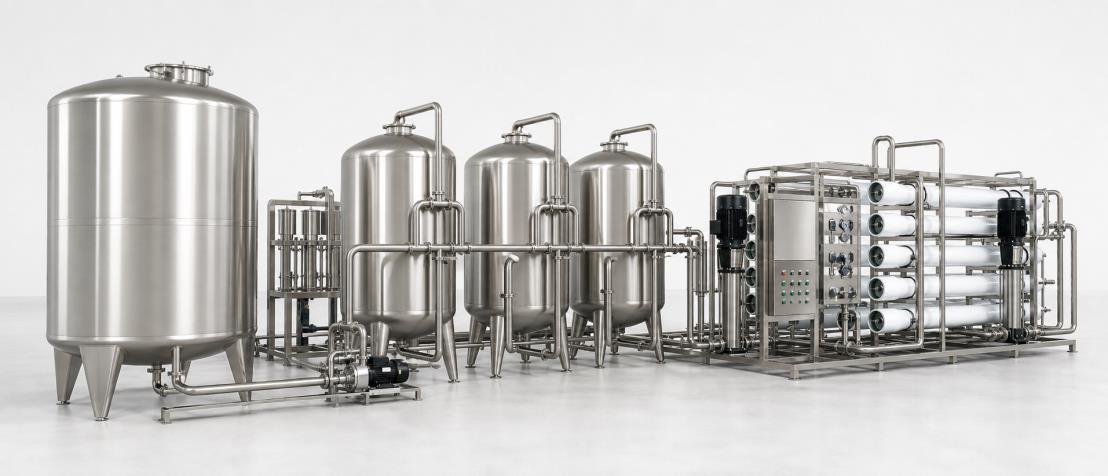
Equipment Used Across This System Scope
These images identify equipment categories and connection points. Final model and configuration selection remains project-specific.

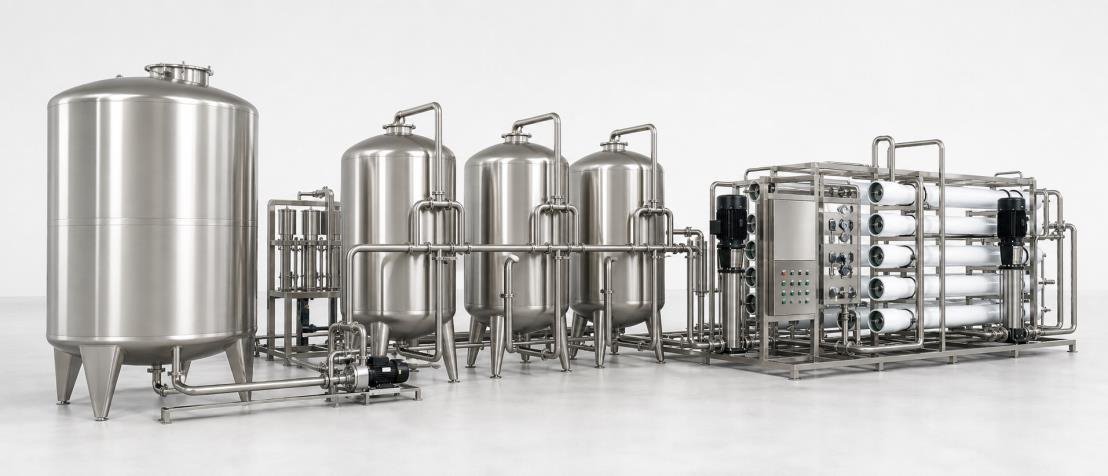
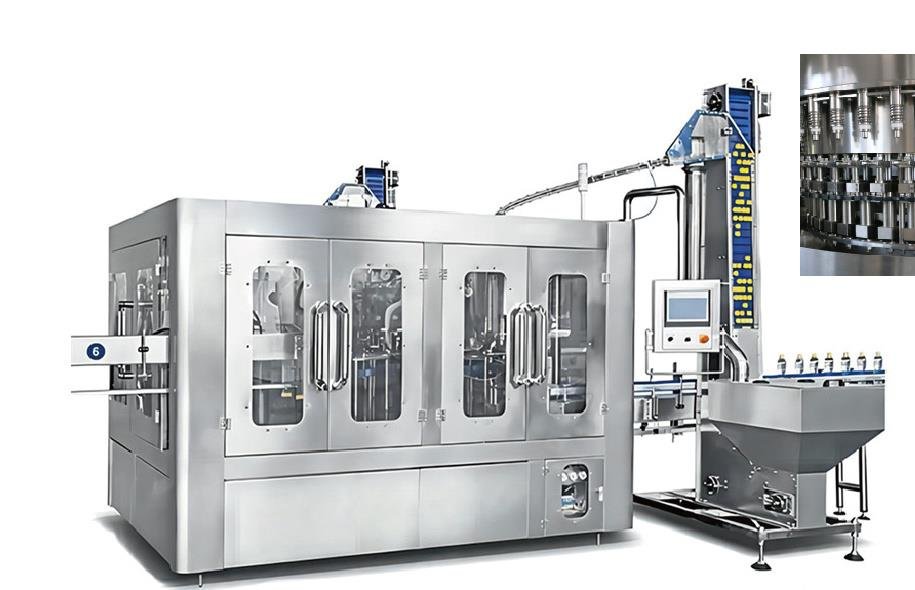
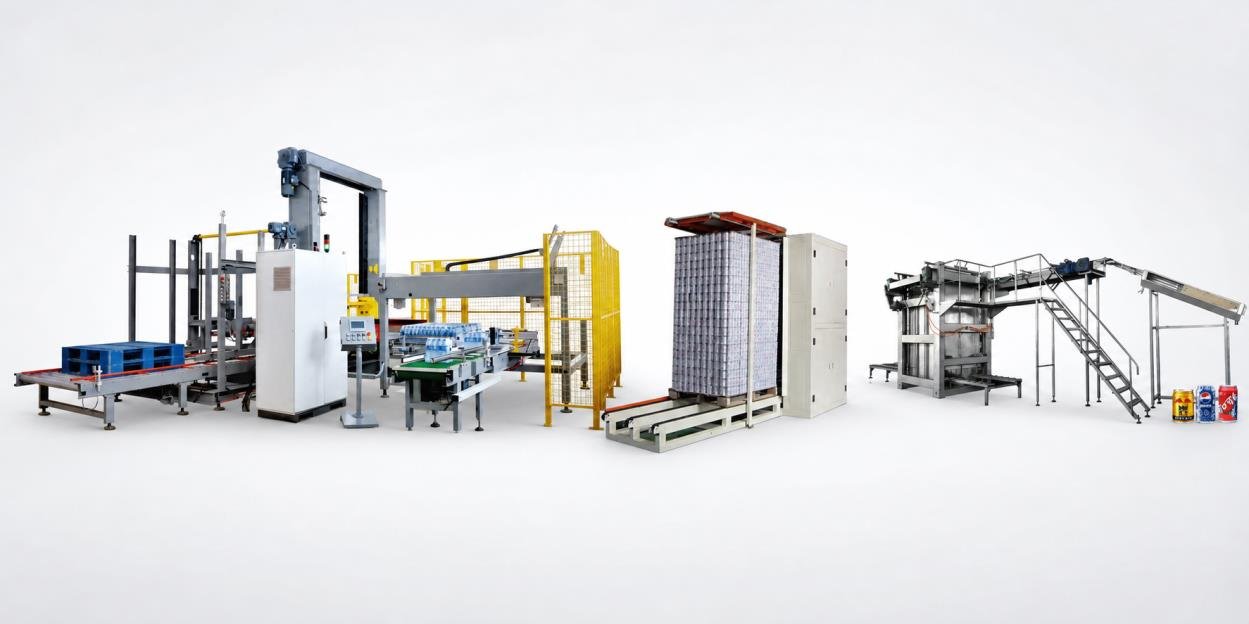
Catalog reference image used to explain equipment and system interfaces. It is not a fixed package or a completed customer project.
05
Main Design Decisions
Decision basis
Record each machine terminal, required condition, available measured condition, connection owner, monitoring point, permissive, failure response and acceptance evidence on the same operating basis.
Boundary and handoff
Record Required and available utility conditions at named equipment terminals between Buyer requirements, approved product formats and available site records and A coordinated mixed-vendor system definition for technical review.
Required condition and ownership
Every active machine terminal has comparable units, operating basis, owner and unavailable-state response. The buyer owns the operating requirement; each supplier owns its machine data; the system coordinator maintains the shared interface record.
Closure artifact
Maintain the machine utility terminal and permissive register against approved utility sheets, site measurements, connection drawings and witnessed permissive tests and preserve the approved revision.
06
Trade-offs to Resolve
Nominal supply or measured terminal conditions?
A factory supply rating is useful background but may not describe the condition delivered through the installed distribution system. Compare the machine requirement with measurements at the agreed terminal and operating state.
Current scope or future equipment?
Future blowing or packing equipment can change utility requirements. Record the specific planned expansion and have its effect reviewed; do not invent a universal spare-capacity percentage.
07
Common Failure Modes
These are realistic review scenarios, not claims about a completed project.
- A plant utility is nominally present but cannot maintain the supplier requirement at the machine terminal.
- The upstream and downstream parties use different product, format, operating or revision assumptions.
- The required condition is described but no party owns detection, response, reset or approval.
- The interface is accepted from a catalog or nominal value without current project evidence.
- A drawing or successful local machine test is treated as proof of the complete connected behavior.
08
Required Documents
- Machine utility terminal and permissive register with owner, revision and status
- Approved design-basis register
- Current equipment and interface list
- Open-input and decision log
- Revision-controlled supplier data
09
Questions to Ask Before Quotation
- Which services are required by this exact equipment configuration, and which are excluded from supply?
- What units, reference conditions and operating modes accompany each utility value?
- Which values represent installed load, measured consumption or a defined peak?
- Where are the machine terminals, and who supplies the intervening distribution and connections?
- How will terminal availability, loss response and controlled recovery be verified?
Project-Specific Confirmation
This guide is an engineering interpretation for early coordination. The final machine utility terminal and permissive register, equipment arrangement, terminal conditions, responsibilities and acceptance criteria require current project data and written approval by the applicable buyer, suppliers and local responsible parties.
11
Related System Pages
Questions
Questions About This Interface Decision
Can installed kW predict the electricity bill?
Not by itself. You need operating time, actual energy use, the included equipment and the applicable tariff. A nameplate sum is not a measured production-energy figure.
Does a normal compressor pressure prove the line has enough air?
No. Verify pressure and flow at the relevant machine during the agreed demand condition. Distribution losses and simultaneous consumers also need review.
Does a filling machine always need high-pressure blowing air?
No. Separate the filler requirements from any PET bottle blower. Use each selected supplier's confirmed utility schedule.
What should I send when requesting a utility review?
Send the equipment list, bottle and output basis, utility schedules, available site measurements and a marked connection layout. Identify missing data rather than guessing values.
Should I buy a larger compressor after a low-pressure alarm?
Not from the alarm alone. Confirm the required pressure, flow and air quality at the affected machine under agreed demand, then review distribution and simultaneous consumers. The supplier and qualified site team must identify the cause and approve any proposed change.
Turn the unknowns into a reviewable interface
Review My Utility Interfaces
Share the available bottle, output, site, utility and supplier evidence. Open items can remain explicitly marked for confirmation.