
Bottle, Closure and Filling Interfaces
Water Bottling Line Changeover: One Format Matrix
Changing bottle size is a connected-system decision, not just loading a filler recipe. Build one controlled matrix linking each approved format to the physical parts, settings, packaging and verification evidence used across suppliers.
Decision focus
How can a buyer prevent incompatible parts and data from meeting at the next bottle-format change?
01
Direct Answer
Give every proposed format one controlled identity and trace it through the bottle drawing, neck and closure, transfer parts, machine recipes, inspection basis and finished pack. Record what changes, what remains valid and what still needs supplier confirmation; a saved recipe or equal nominal bottle volume is not proof of line compatibility.
Trace the format across every machine boundary
Use the matrix to answer a purchasing question: which parts, data and tests are included for each format, and who confirms the connections? Allot Tech can coordinate these inputs and supplier questions. Physical adjustments and operating approval remain with qualified project personnel.
Define the format before comparing change parts
Start with a controlled format identifier, not a volume label. Link the approved bottle drawing and sample reference to neck/support geometry, closure, label, coding requirements and pack arrangement. A different body shape or closure may reopen interfaces even when the water volume is unchanged. Record drawing revisions, approved substitutions and unresolved inputs. Ask both sides of each transfer to confirm the same reference. A part listed for a broadly named bottle family is not evidence that it fits the incoming production format.
Separate physical preparation from recipe selection
For each connected machine, name the format part and revision, the relevant drawing, approved recipe identifier and the supplier responsible for confirming them. Mark an unchanged item only with a reason; do not leave a blank that could mean either 'not needed' or 'not reviewed'. Loading a recipe does not establish which guide, starwheel or handling component is physically installed. The matrix requests records and checks, not instructions for adjusting clearances, torque, air pressure or safety settings. Safe access and approved isolation procedures still govern physical work.
Find the first mismatch when a new format jams
Hypothetical review: the filler reports the incoming recipe, but a downstream transfer still carries a previous-format part reference. Preserve the approved changeover record, installed-part identification and time-aligned observations locating the first unstable handoff. Do not call the filler too slow or increase line speed before that boundary is reviewed. Distinguish bottle presentation, receiving permission and actual physical transfer. Record the affected material and quality hold separately from the mechanical correction. This is an evidence example, not a customer incident or a fault diagnosis.
Agree what demonstrates the whole format change
Attach a verification row to each changed interface: prerequisite, approved observation method, expected result, evidence location, reviewer and unresolved exception. Distinguish an isolated machine trial, a simulated neighbor signal and a connected run with the intended bottle and pack. A first acceptable bottle does not establish every downstream format or the agreed production condition. Define the start and finish of any changeover comparison consistently, including required clearance and release work. Approval for one transition is not automatic approval for all combinations or a promised changeover duration.
Keep the next transition under revision control
When a bottle, closure, supplier part or recipe changes later, reopen the affected rows instead of silently updating a local list. Record the old and proposed revision, the impacted handoffs, owner, verification need and approval status. Request quotation scope by format: supplied parts, data preparation, installation responsibilities and excluded trials. This helps compare offers without inventing a universal parts count or assuming that an automatic system changes every station without work. Keep the controlled production copy separate from marked-up planning drafts.
Evidence for the format-change review
- Approved incoming and outgoing format identifiers, bottle/closure references and controlled drawing revisions.
- Per-machine physical parts and recipe revisions, including a stated basis for unchanged or excluded items.
- First affected handoff, installed-condition evidence and supplier owner for each unresolved mismatch.
- Clearance and affected-material status, plus the separate person authorized to release the next run.
- Format-specific verification boundaries, results, exceptions and the owner of each open action.
Project engineering, safety and quality review required. This planning matrix does not authorize live adjustments, guard bypass, machine restart or release of held product. Settings, supported formats and acceptance criteria require written project confirmation.
Continue the format review
- Bottle neck handling — Check the actual support and transfer basis.
- Cap supply and capper interface — Confirm the closure-related handoff for the format.
- Mixed-vendor interface control — Assign revisions, evidence and technical closure.
02
Position in the System
This guide isolates the named machine-to-machine decision and the project evidence needed to close it. It controls the boundary between Approved empty-container or closure supply and The connected handling, rinsing, filling or capping function. It does not select equipment models, publish unsupported performance values or replace project-specific engineering.
03
Buyer Inputs
- The buyer decision to close: Which drawings, change parts, recipes and settings must align for a bottle-format change?
- Current drawings, data and operating records from Approved empty-container or closure supply.
- Approved terminal requirements and failure behavior from The connected handling, rinsing, filling or capping function.
- Project evidence for closure: the cross-machine bottle changeover matrix, current drawings, approved supplier data and the agreed witnessed result.
- Named buyer, supplier and local owners for assumptions, actions, review and final approval.
04
Interface Map
One controlled record for the physical, process, utility, control and evidence boundary.
SystemInterfaceCard
Bottle Changeover Interface Matrix
- Upstream system
- Approved empty-container or closure supply
- Downstream system
- The connected handling, rinsing, filling or capping function
- Transferred material
- The project-specific material, state, terminal condition and evidence described by Bottle Changeover Interface Matrix
- Physical connection
- The documented physical, process, utility, signal or evidence boundary covered by this topic.
- Required condition
- The buyer and connected parties approve one current basis for this decision: Which drawings, change parts, recipes and settings must align for a bottle-format change?
- Utility requirement
- Machine and transfer terminal conditions must be taken from the approved bottle, closure and supplier basis for the actual project.
- Control signal
- Availability, ready, hold, stop, fault, reset and restart information as applicable to the boundary
- Failure response
- Bottle Changeover Interface Matrix is treated as agreed even though its condition, owner, revision or evidence remains open. Hold the affected decision or operation until the named owner confirms the recovery basis.
- Evidence required
- Cross-machine bottle changeover matrix, supported by the cross-machine bottle changeover matrix, current drawings, approved supplier data and the agreed witnessed result.
Equipment Context at This Boundary
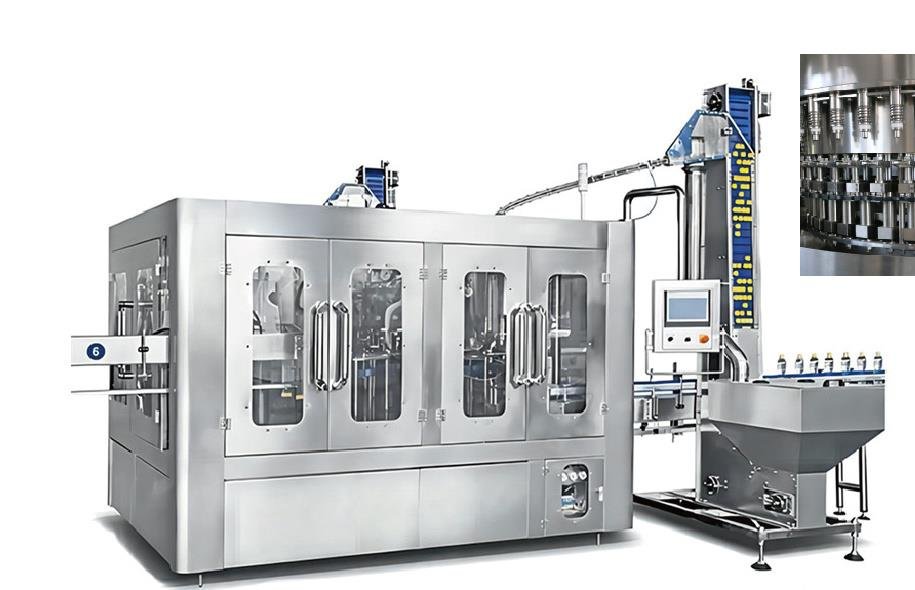
Equipment Used Across This System Scope
These images identify equipment categories and connection points. Final model and configuration selection remains project-specific.
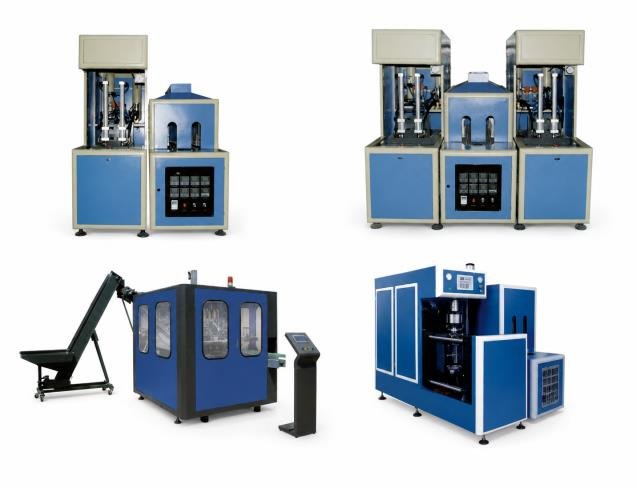
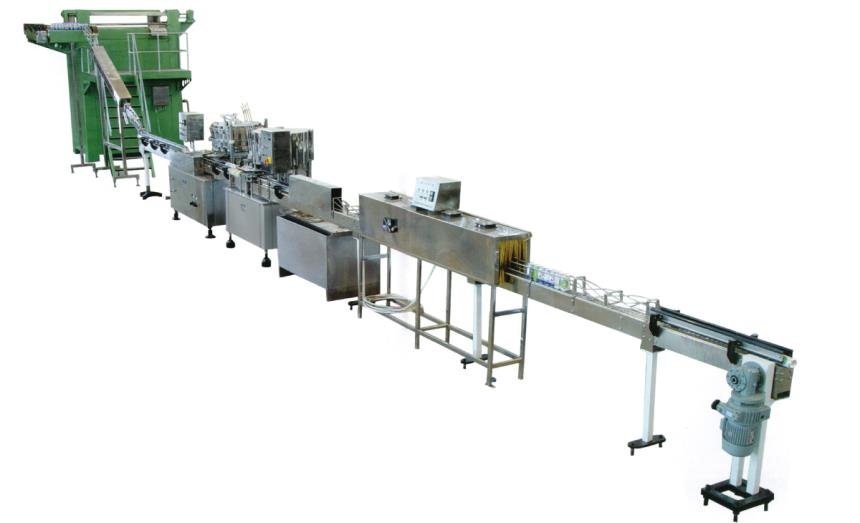
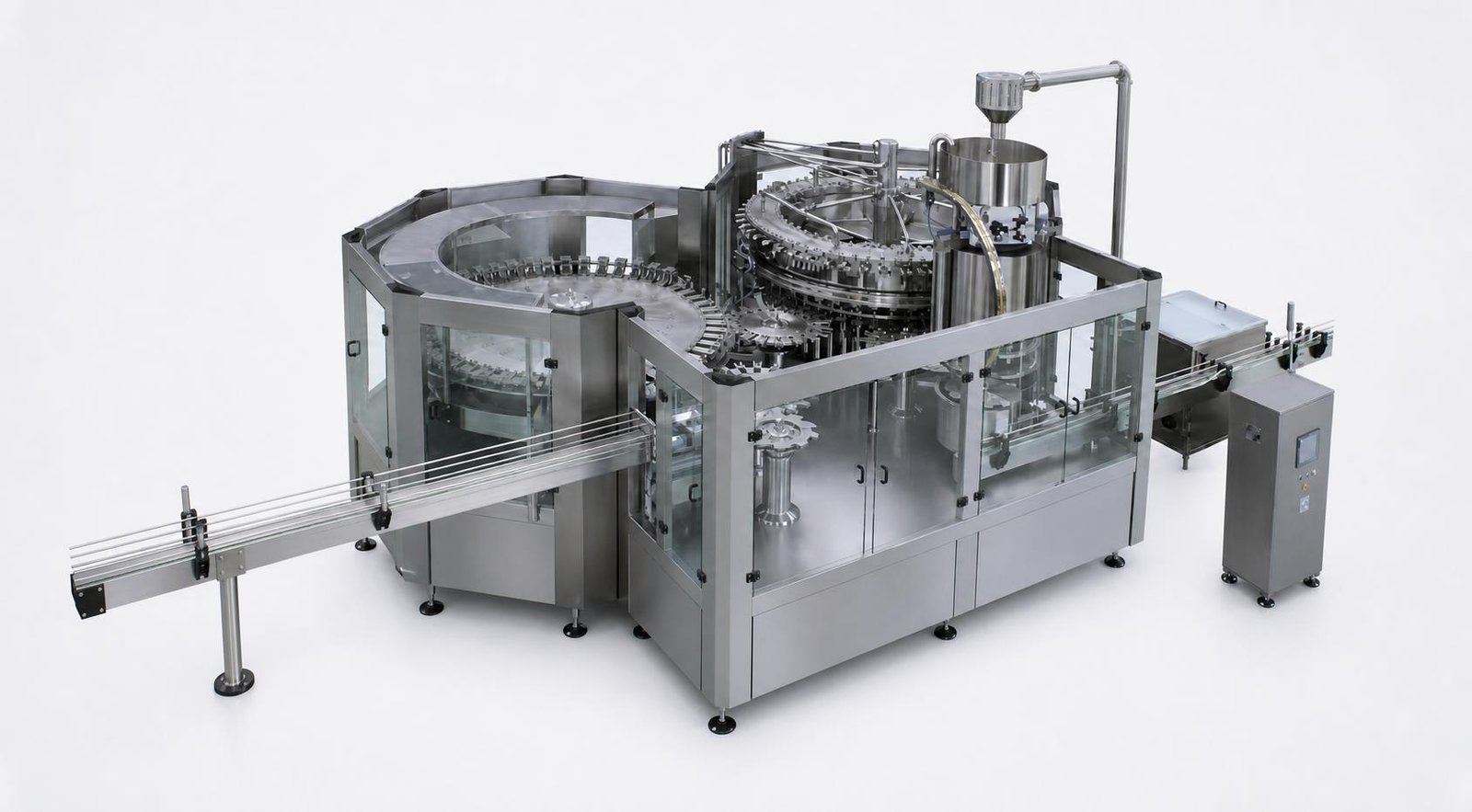
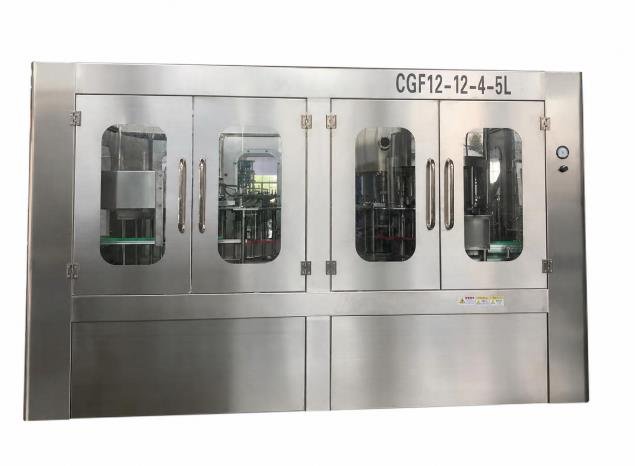
Catalog reference image used to explain equipment and system interfaces. It is not a fixed package or a completed customer project.
05
Main Design Decisions
Decision basis
Trace the approved format identity into each machine drawing, change part, recipe, guide setting, inspection criterion, line-clearance action and confirmation record.
Boundary and handoff
Record The project-specific material, state, terminal condition and evidence described by Bottle Changeover Interface Matrix between Approved empty-container or closure supply and The connected handling, rinsing, filling or capping function.
Required condition and ownership
The buyer and connected parties approve one current basis for this decision: Which drawings, change parts, recipes and settings must align for a bottle-format change?. The buyer approves the reference container and closure; the connected suppliers confirm handling limits, states, change parts and test evidence.
Closure artifact
Maintain the cross-machine bottle changeover matrix against the cross-machine bottle changeover matrix, current drawings, approved supplier data and the agreed witnessed result and preserve the approved revision.
06
Trade-offs to Resolve
Define now vs. carry an assumption
Closing this decision early can narrow supplier interpretation. Leaving it open may preserve options, but the assumption and later decision gate must be visible.
Local machine simplicity vs. system coordination
A wider format envelope can preserve future options, while increasing handling, change-part and verification scope for the current installation.
Broader scope vs. controlled boundary
It does not select equipment models, publish unsupported performance values or replace project-specific engineering. Keep the page focused on the evidence needed for this one system decision.
07
Common Failure Modes
These are realistic review scenarios, not claims about a completed project.
- Bottle Changeover Interface Matrix is treated as agreed even though its condition, owner, revision or evidence remains open.
- The upstream and downstream parties use different product, format, operating or revision assumptions.
- The required condition is described but no party owns detection, response, reset or approval.
- The interface is accepted from a catalog or nominal value without current project evidence.
- A drawing or successful local machine test is treated as proof of the complete connected behavior.
08
Required Documents
- Cross-machine bottle changeover matrix with owner, revision and status
- Approved bottle, neck and closure drawings
- Signed reference samples or sample-control record
- Dimensioned transfer and change-part information
- Connected operating-state and test record
09
Questions to Ask Before Quotation
- Which drawings, change parts, recipes and settings must align for a bottle-format change?
- What exact material, condition, signal, document or decision crosses this boundary?
- Which party detects a missing condition, owns the response and authorizes recovery?
- Which current document, sample, measurement or witnessed result will close the cross-machine bottle changeover matrix?
- Which unknown remains open, who must confirm it and before which project decision?
Project-Specific Confirmation
This guide is an engineering interpretation for early coordination. The final cross-machine bottle changeover matrix, equipment arrangement, terminal conditions, responsibilities and acceptance criteria require current project data and written approval by the applicable buyer, suppliers and local responsible parties.
11
Related System Pages
Questions
Questions About This Interface Decision
Can the same-volume bottle use the existing change parts?
Not on volume alone. Compare the approved bottle and closure drawings, support geometry and the connected suppliers' confirmed format references. Record shared parts only where their applicability is established. Any unconfirmed neck, body, label or pack change remains an open item; the matrix is not a compatibility certificate.
Is selecting the correct recipe enough for a changeover?
No. The recipe record and the installed physical condition answer different questions. Link the selected revision to the approved parts, guides, materials and inspection basis, then use the site's authorized verification process. A displayed recipe name alone cannot close the physical handoff or quality-release decision.
What should a quotation include for several bottle formats?
Ask for a format-by-format scope identifying supplied parts, recipe/data preparation, drawings, owner of installation and checks, agreed trials and exclusions. Keep unsupported combinations explicitly open. Do not infer that one tested bottle, a machine-family label or an 'automatic changeover' phrase covers the complete line.
How should repeated jams after a format change be reviewed?
Preserve the format and part revisions, observed bottle condition and first unstable transfer, together with relevant machine states. Ask the connected owners to compare the installed condition with the approved basis before proposing a setting change. Do not reproduce a jam, bypass guards or assume that replacing the filler resolves it.
Does the matrix guarantee a faster changeover?
No. It is a way to expose missing inputs and responsibilities. A time comparison needs the same transition, material boundary, required work and release conditions. Supplier-confirmed tasks and recorded observations support the review; they do not establish a universal duration or guaranteed improvement.
Turn the unknowns into a reviewable interface
Review This System Decision
Share the available bottle, output, site, utility and supplier evidence. Open items can remain explicitly marked for confirmation.