
Bottle, Closure and Filling Interfaces
Cap Supply to Capper: Shortage and Wrong-Cap Checks
A cap hopper can contain caps while the capper still has no usable supply. Separate closure compatibility, delivery continuity and machine-state handshakes before buying a larger feeder.
Decision focus
What evidence distinguishes a wrong cap, interrupted delivery and a capper permission problem?
01
Direct Answer
Start with the approved cap and bottle-neck drawings, sample identifiers and lot records. Then trace the usable-cap path and the agreed low-supply, stop and restart states. Cap presence alone does not prove correct application or sealing; closure-quality acceptance requires its own approved method.
Find the break between cap stock and usable cap supply
Record the symptom before changing equipment scope: an empty cap path, repeated orientation rejects and a capper waiting for permission require different evidence. Allot Tech can coordinate a boundary review from drawings, event records and supplier responses; final engineering approval stays with the responsible project parties.
Define one approved closure set
A matching nominal diameter is not a compatibility release. Put cap drawing revision, neck-finish drawing, seal design, tamper-evident features, material and approved samples on the same interface sheet. Identify who releases each combination and how an incoming lot is linked to it. Keep mixed or unapproved lots outside usable stock under the site's quality procedure. If a supplier changes a drawing or sample, reopen the comparison rather than silently treating it as the same cap.
Distinguish shortage from delivery failure
A full hopper is upstream stock, not evidence that usable caps reach the capper. Compare hopper status, orientation output, transfer path and the capper's receiving condition over one agreed observation period. Record which party owns each signal, where its meaning is defined and whether the event was no stock, a blocked path, rejected orientation or a permission mismatch. Do not replace an event log with a single photograph. Let qualified staff investigate through approved guarded procedures, without bypassing interlocks.
Agree replenishment and restart ownership
Specify the difference between a replenishment request, low supply and loss of usable supply. For each state, name the source, receiving machine, responsible party and evidence needed before production resumes. Review what happens to bottles already between filling and capping, and which quality owner decides their disposition. The recovery record should include cap lot, affected production interval, unresolved alarms and authorized release. A larger hopper is not a substitute for an agreed response or proof of sustained delivery.
Compare quotations using a stated handoff
Hypothetical review: one quotation includes a feeder, while another includes the receiving capper interface and low-supply response. Do not compare the equipment labels as if the scope were equal. Ask both parties to state the approved closure set, delivered-cap boundary, responsibility for interface wiring and evidence for recovery. Record exclusions and who will close them. This is an example of a scope review, not a customer installation or proof of output.
Evidence to send for an interface review
- Approved cap/neck drawing revisions, seal features, sample IDs and incoming lot references; flag any unapproved substitution.
- One synchronized record of hopper state, delivery symptom and capper message, with time boundary and bottle format identified.
- Supplier-assigned ownership for low supply, stop propagation, replenishment and restart permission; list unresolved meanings.
- Affected bottle interval, quality hold location and release owner; distinguish restart readiness from product acceptance.
Project-specific engineering review is required. This guide specifies review evidence, not universal torque, pressure, timing or safe-work instructions. Apply only supplier-approved settings and site quality/safety procedures.
Continue the same boundary review
- Cap elevator and capper handshake — Define the request, permission and fault meanings between machines.
- Bottle and cap changeover matrix — Keep the approved closure and format revisions aligned.
- Filled-bottle reject confirmation — Track bottles affected by a closure-related deviation.
02
Position in the System
This guide isolates the named machine-to-machine decision and the project evidence needed to close it. It controls the boundary between Approved empty-container or closure supply and The connected handling, rinsing, filling or capping function. It does not select equipment models, publish unsupported performance values or replace project-specific engineering.
03
Buyer Inputs
- The buyer decision to close: Which cap definition and feed conditions must cap supply deliver to the capper?
- Current drawings, data and operating records from Approved empty-container or closure supply.
- Approved terminal requirements and failure behavior from The connected handling, rinsing, filling or capping function.
- Project evidence for closure: the cap-supply interface matrix, current drawings, approved supplier data and the agreed witnessed result.
- Named buyer, supplier and local owners for assumptions, actions, review and final approval.
04
Interface Map
One controlled record for the physical, process, utility, control and evidence boundary.
SystemInterfaceCard
Cap Supply to Capper Interface
- Upstream system
- Approved empty-container or closure supply
- Downstream system
- The connected handling, rinsing, filling or capping function
- Transferred material
- The project-specific material, state, terminal condition and evidence described by Cap Supply to Capper Interface
- Physical connection
- The documented physical, process, utility, signal or evidence boundary covered by this topic.
- Required condition
- The buyer and connected parties approve one current basis for this decision: Which cap definition and feed conditions must cap supply deliver to the capper?
- Utility requirement
- Machine and transfer terminal conditions must be taken from the approved bottle, closure and supplier basis for the actual project.
- Control signal
- Availability, ready, hold, stop, fault, reset and restart information as applicable to the boundary
- Failure response
- Cap Supply to Capper Interface is treated as agreed even though its condition, owner, revision or evidence remains open. Hold the affected decision or operation until the named owner confirms the recovery basis.
- Evidence required
- Cap-supply interface matrix, supported by the cap-supply interface matrix, current drawings, approved supplier data and the agreed witnessed result.
Equipment Context at This Boundary
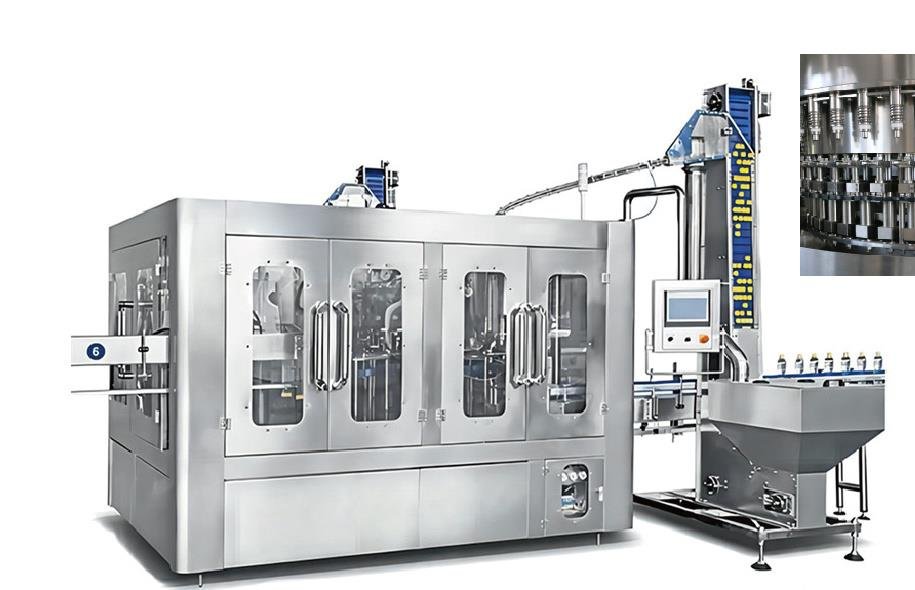
Equipment Used Across This System Scope
These images identify equipment categories and connection points. Final model and configuration selection remains project-specific.
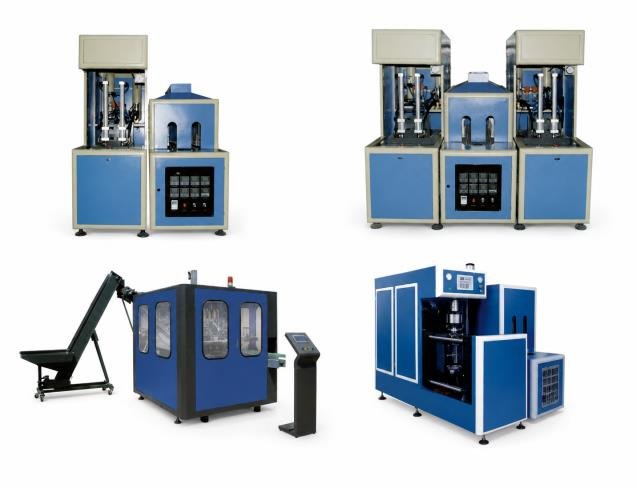
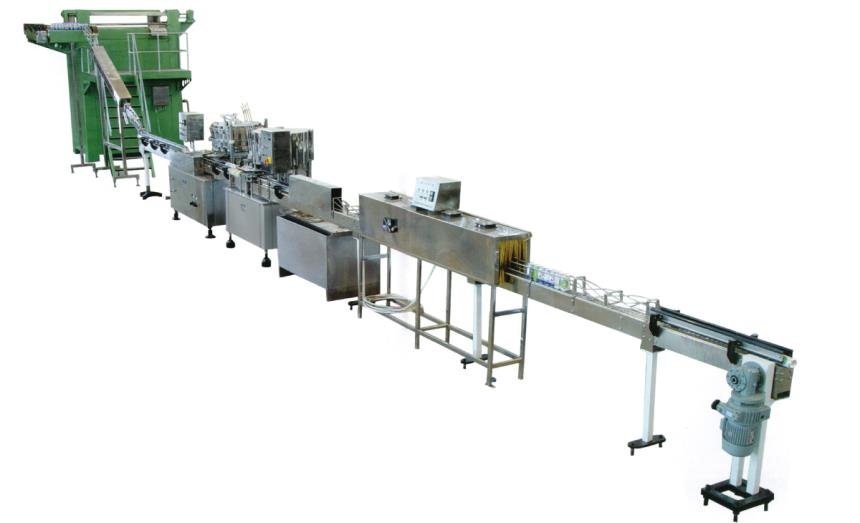
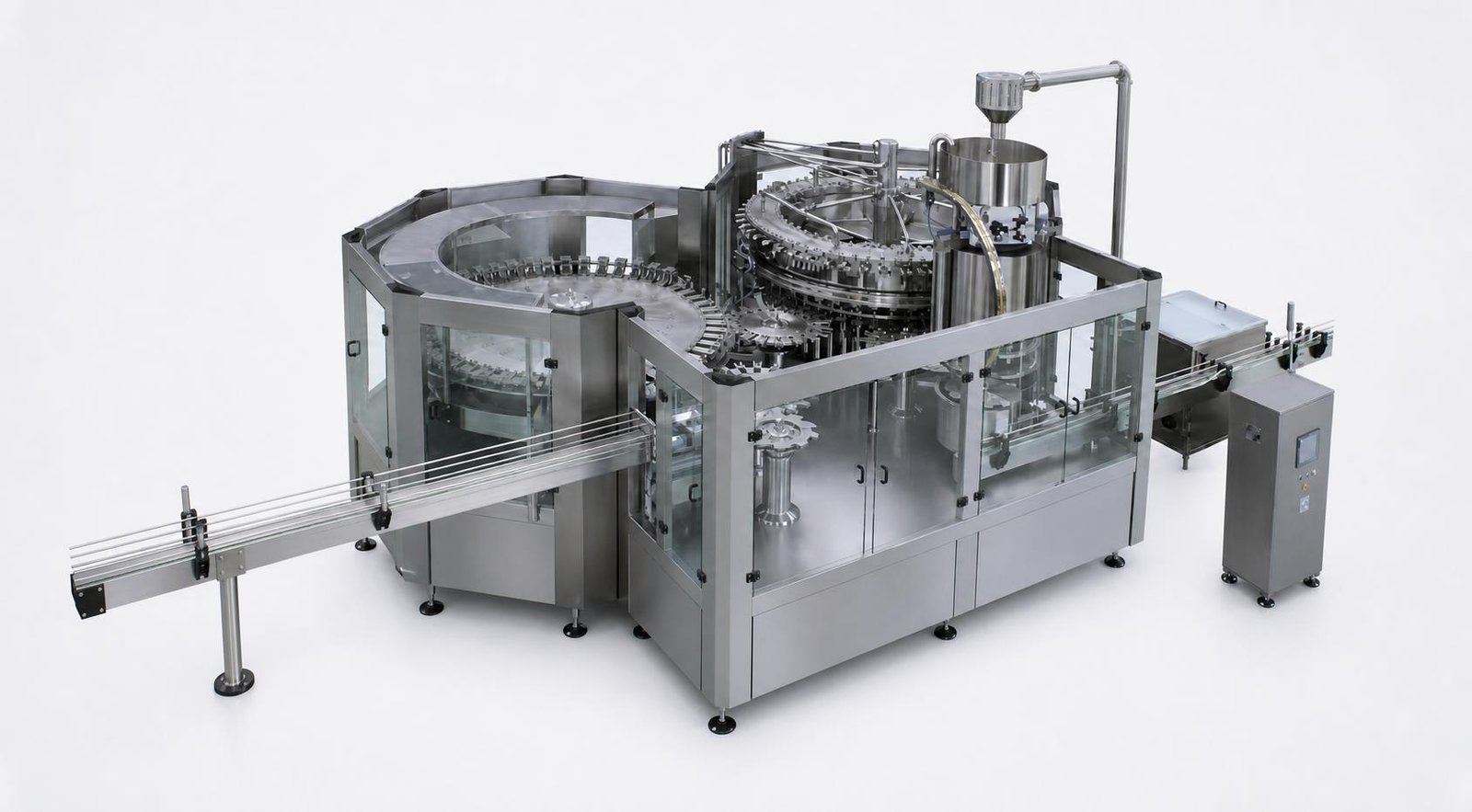
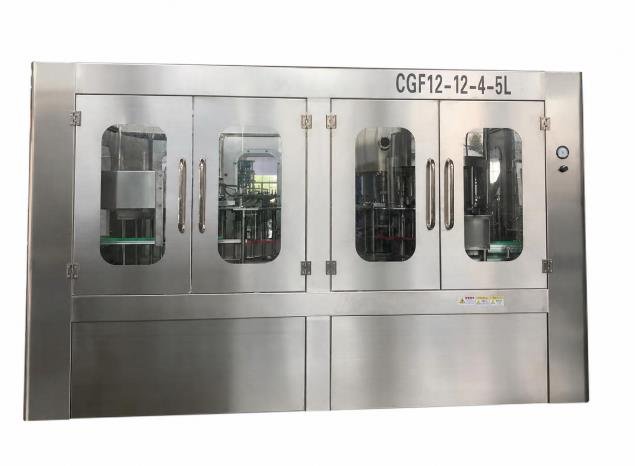
Catalog reference image used to explain equipment and system interfaces. It is not a fixed package or a completed customer project.
05
Main Design Decisions
Decision basis
Control the current closure drawing and sample, orientation, acceptable condition, feed path, low-supply response, rejection and connected evidence at the capper boundary.
Boundary and handoff
Record The project-specific material, state, terminal condition and evidence described by Cap Supply to Capper Interface between Approved empty-container or closure supply and The connected handling, rinsing, filling or capping function.
Required condition and ownership
The buyer and connected parties approve one current basis for this decision: Which cap definition and feed conditions must cap supply deliver to the capper?. The buyer approves the reference container and closure; the connected suppliers confirm handling limits, states, change parts and test evidence.
Closure artifact
Maintain the cap-supply interface matrix against the cap-supply interface matrix, current drawings, approved supplier data and the agreed witnessed result and preserve the approved revision.
06
Trade-offs to Resolve
Define now vs. carry an assumption
Closing this decision early can narrow supplier interpretation. Leaving it open may preserve options, but the assumption and later decision gate must be visible.
Local machine simplicity vs. system coordination
A wider format envelope can preserve future options, while increasing handling, change-part and verification scope for the current installation.
Broader scope vs. controlled boundary
It does not select equipment models, publish unsupported performance values or replace project-specific engineering. Keep the page focused on the evidence needed for this one system decision.
07
Common Failure Modes
These are realistic review scenarios, not claims about a completed project.
- Cap Supply to Capper Interface is treated as agreed even though its condition, owner, revision or evidence remains open.
- The upstream and downstream parties use different product, format, operating or revision assumptions.
- The required condition is described but no party owns detection, response, reset or approval.
- The interface is accepted from a catalog or nominal value without current project evidence.
- A drawing or successful local machine test is treated as proof of the complete connected behavior.
08
Required Documents
- Cap-supply interface matrix with owner, revision and status
- Approved bottle, neck and closure drawings
- Signed reference samples or sample-control record
- Dimensioned transfer and change-part information
- Connected operating-state and test record
09
Questions to Ask Before Quotation
- Which cap definition and feed conditions must cap supply deliver to the capper?
- What exact material, condition, signal, document or decision crosses this boundary?
- Which party detects a missing condition, owns the response and authorizes recovery?
- Which current document, sample, measurement or witnessed result will close the cap-supply interface matrix?
- Which unknown remains open, who must confirm it and before which project decision?
Project-Specific Confirmation
This guide is an engineering interpretation for early coordination. The final cap-supply interface matrix, equipment arrangement, terminal conditions, responsibilities and acceptance criteria require current project data and written approval by the applicable buyer, suppliers and local responsible parties.
11
Related System Pages
Questions
Questions About This Interface Decision
Is the same cap diameter enough to approve a replacement?
No. Compare the controlled cap and neck drawings, sealing and tamper features, material and approved samples. The project quality owner must release the combination; a size label or supplier assurance alone does not establish a sealed package.
Why can the capper run short when the hopper is full?
The usable-cap boundary can fail after storage: orientation, transfer, receiving condition or machine permission may differ. Preserve the event sequence and supplier signal definitions before deciding whether the feeder itself needs replacement.
Should I increase capper torque to fix missing or skewed caps?
Not from this symptom alone. Missing supply, cap presentation and closure application are different problems. Qualified personnel should use the approved diagnosis and closure-validation procedure; this page cannot set a safe torque or prove seal integrity.
What should a request for review contain?
Send the closure and bottle format revisions, cap lot, affected interval, relevant supplier drawings and available alarm/event evidence. State the unanswered handoff decision. Allot Tech can coordinate scope clarification, not certify unseen equipment or release held product.
Turn the unknowns into a reviewable interface
Review This System Decision
Share the available bottle, output, site, utility and supplier evidence. Open items can remain explicitly marked for confirmation.