
Bottle, Closure and Filling Interfaces
Filled-Bottle Reject Handoff: Prove Diversion and Counts
A reject command is not proof that the intended bottle left the production stream. Define detection, tracking, diversion, confirmation and quality disposition as separate responsibilities.
Decision focus
How do you prove which bottle was rejected and explain a mismatch between counters?
01
Direct Answer
Give each reject event an agreed cause, bottle or tracking reference, decision point and confirmation result. Reconcile entry, accepted exit, confirmed rejects and held work in progress over the same boundary. An unexplained difference remains an investigation item, not an assumed good bottle or automatic rework approval.
Close the gap between a reject request and a confirmed result
Buyers need more than a rejector in an equipment list. Ask which supplier owns the decision, the bottle tracking, the physical diversion and the result record, including loss of confirmation. This ownership card belongs in the connected-system review before FAT or SAT acceptance is agreed.
Trace one event across the whole boundary
Map the detector's result to the reject request, tracked bottle, diversion point and confirmation evidence. State what each signal proves and what it does not: an output can show a request without proving bottle removal, while a general sensor transition may not uniquely identify the intended bottle. Include fault, missing-confirmation and unavailable-reject-path states in the supplier review. Do not infer successful rejection from the normal-run counter alone. The required device arrangement and timing remain project engineering decisions.
Reconcile one count interval, not unrelated totals
Use a common physical boundary and time interval before comparing counters. Account for bottles entering, accepted bottles leaving, confirmed rejects and the change in held or in-process inventory, including movements explicitly excluded from the comparison. Document counter resets, stop/start events, tracking loss and any manual movement. A mismatch is a reason to preserve evidence and identify the affected interval; it is not a basis for editing the totals to agree. Name the owner who closes every unexplained difference.
Separate recovery readiness from product release
When the outcome is uncertain, use the approved quality procedure to identify and hold the potentially affected bottles. Record location, count basis, cause, lot or interval, and the party authorized to decide disposition. A machine reset can restore a ready state without proving the previous bottle was removed or suitable for sale. Reintroduction, rework and disposal each need their own authorized route. Acceptance testing should use an agreed safe test plan, responsible personnel and approved challenge material; this guide is not an instruction to force faults on a running line.
Keep the event record through a reset
Hypothetical review: an inspection counter is reset between a stop and the packing total. Preserve both original intervals and the stock remaining between the measurement points; do not compare the new inspection total directly with the old packing total. The acceptance record should show the cause, tracked bottle, physical result, confirmation state and authorized disposition together. This is a review scenario, not a completed project or instruction to create a live fault.
Reject ownership card: required evidence
- Detector result, cause code and bottle/tracking reference, plus the machine that owns the reject decision.
- Request, diversion and confirmation records with defined meanings; explicitly record missing or contradictory evidence.
- Common count/time boundary, counter reset history and opening/closing in-process stock, with manual movements documented.
- Hold location, affected lot/interval, investigation owner, approved acceptance method and authorized disposition record.
Project engineering and quality review are required. No universal reject delay or actuator setting is specified. Do not bypass safeguards, force live-line faults or return held bottles without an approved procedure.
Review the connected interfaces
- Cap supply and closure lot control — Identify closure-related events before defining affected bottles.
- Filler discharge handoff — Locate the bottle and ownership boundary after filling.
- FAT and SAT evidence — Agree safe acceptance evidence for normal and abnormal states.
02
Position in the System
This guide isolates the named machine-to-machine decision and the project evidence needed to close it. It controls the boundary between Approved empty-container or closure supply and The connected handling, rinsing, filling or capping function. It does not select equipment models, publish unsupported performance values or replace project-specific engineering.
03
Buyer Inputs
- The buyer decision to close: Which machine owns a filled-bottle reject decision, physical diversion and result record?
- Current drawings, data and operating records from Approved empty-container or closure supply.
- Approved terminal requirements and failure behavior from The connected handling, rinsing, filling or capping function.
- Project evidence for closure: the reject ownership and confirmation card, current drawings, approved supplier data and the agreed witnessed result.
- Named buyer, supplier and local owners for assumptions, actions, review and final approval.
04
Interface Map
One controlled record for the physical, process, utility, control and evidence boundary.
SystemInterfaceCard
Filled-Bottle Reject Handoff
- Upstream system
- Approved empty-container or closure supply
- Downstream system
- The connected handling, rinsing, filling or capping function
- Transferred material
- The project-specific material, state, terminal condition and evidence described by Filled-Bottle Reject Handoff
- Physical connection
- The documented physical, process, utility, signal or evidence boundary covered by this topic.
- Required condition
- The buyer and connected parties approve one current basis for this decision: Which machine owns a filled-bottle reject decision, physical diversion and result record?
- Utility requirement
- Machine and transfer terminal conditions must be taken from the approved bottle, closure and supplier basis for the actual project.
- Control signal
- Availability, ready, hold, stop, fault, reset and restart information as applicable to the boundary
- Failure response
- Filled-Bottle Reject Handoff is treated as agreed even though its condition, owner, revision or evidence remains open. Hold the affected decision or operation until the named owner confirms the recovery basis.
- Evidence required
- Reject ownership and confirmation card, supported by the reject ownership and confirmation card, current drawings, approved supplier data and the agreed witnessed result.
Equipment Context at This Boundary
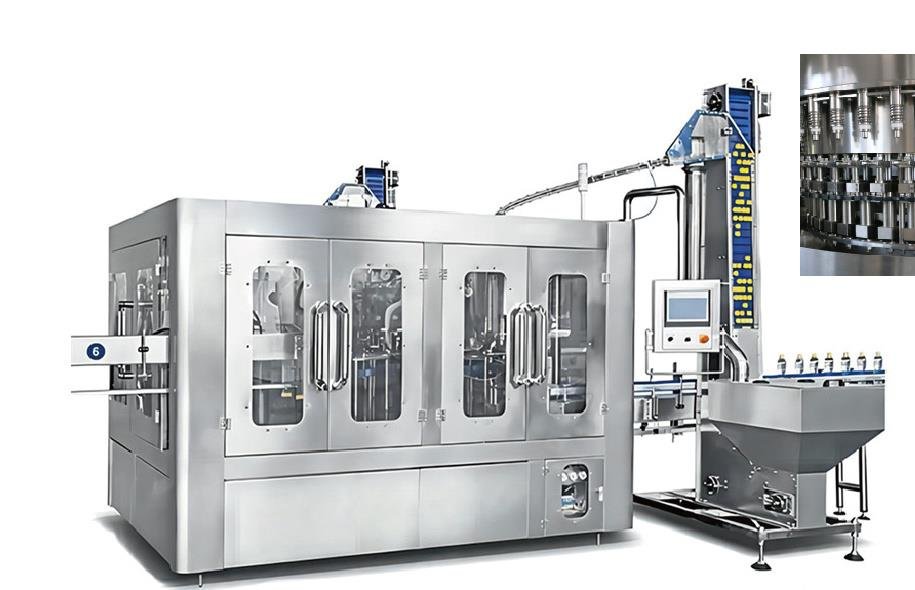
Equipment Used Across This System Scope
These images identify equipment categories and connection points. Final model and configuration selection remains project-specific.
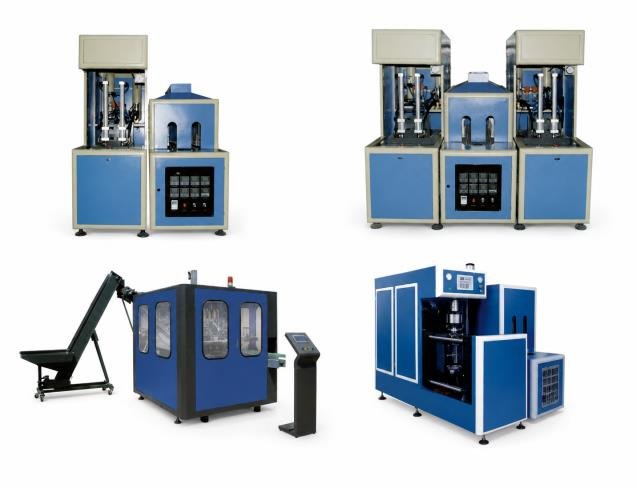
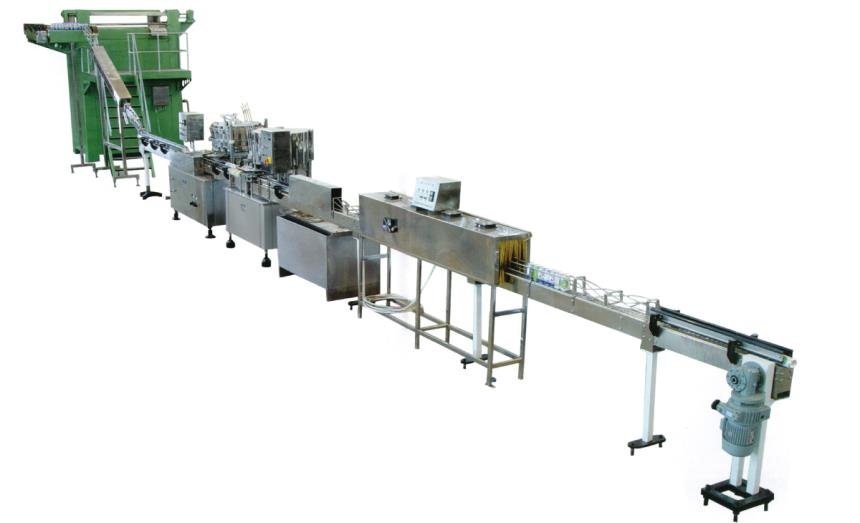
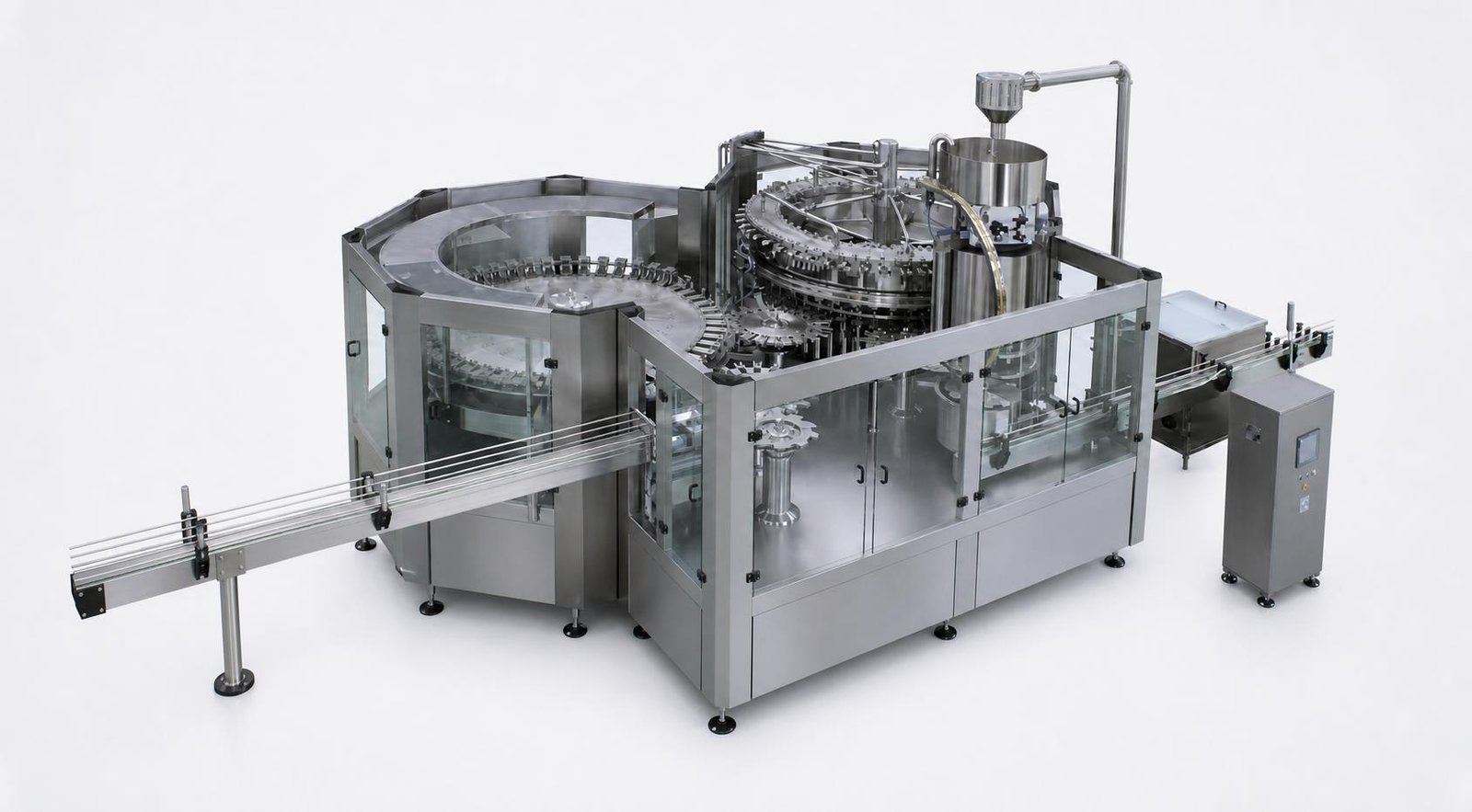
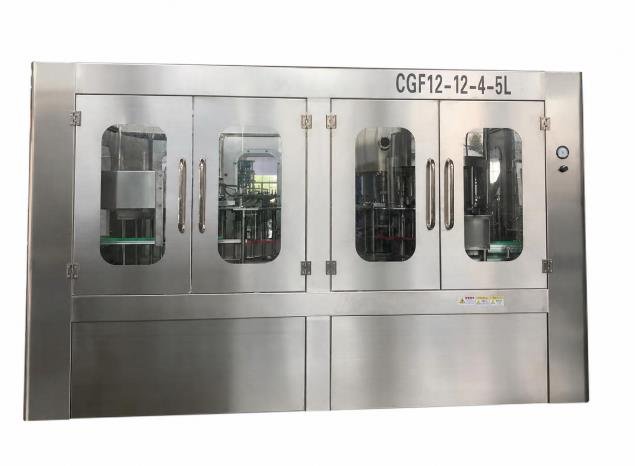
Catalog reference image used to explain equipment and system interfaces. It is not a fixed package or a completed customer project.
05
Main Design Decisions
Decision basis
Assign detection, reject request, bottle tracking, diversion, reject confirmation, failed-reject response, count ownership and recovery evidence across the boundary.
Boundary and handoff
Record The project-specific material, state, terminal condition and evidence described by Filled-Bottle Reject Handoff between Approved empty-container or closure supply and The connected handling, rinsing, filling or capping function.
Required condition and ownership
The buyer and connected parties approve one current basis for this decision: Which machine owns a filled-bottle reject decision, physical diversion and result record?. The buyer approves the reference container and closure; the connected suppliers confirm handling limits, states, change parts and test evidence.
Closure artifact
Maintain the reject ownership and confirmation card against the reject ownership and confirmation card, current drawings, approved supplier data and the agreed witnessed result and preserve the approved revision.
06
Trade-offs to Resolve
Define now vs. carry an assumption
Closing this decision early can narrow supplier interpretation. Leaving it open may preserve options, but the assumption and later decision gate must be visible.
Local machine simplicity vs. system coordination
A wider format envelope can preserve future options, while increasing handling, change-part and verification scope for the current installation.
Broader scope vs. controlled boundary
It does not select equipment models, publish unsupported performance values or replace project-specific engineering. Keep the page focused on the evidence needed for this one system decision.
07
Common Failure Modes
These are realistic review scenarios, not claims about a completed project.
- Filled-Bottle Reject Handoff is treated as agreed even though its condition, owner, revision or evidence remains open.
- The upstream and downstream parties use different product, format, operating or revision assumptions.
- The required condition is described but no party owns detection, response, reset or approval.
- The interface is accepted from a catalog or nominal value without current project evidence.
- A drawing or successful local machine test is treated as proof of the complete connected behavior.
08
Required Documents
- Reject ownership and confirmation card with owner, revision and status
- Approved bottle, neck and closure drawings
- Signed reference samples or sample-control record
- Dimensioned transfer and change-part information
- Connected operating-state and test record
09
Questions to Ask Before Quotation
- Which machine owns a filled-bottle reject decision, physical diversion and result record?
- What exact material, condition, signal, document or decision crosses this boundary?
- Which party detects a missing condition, owns the response and authorizes recovery?
- Which current document, sample, measurement or witnessed result will close the reject ownership and confirmation card?
- Which unknown remains open, who must confirm it and before which project decision?
Project-Specific Confirmation
This guide is an engineering interpretation for early coordination. The final reject ownership and confirmation card, equipment arrangement, terminal conditions, responsibilities and acceptance criteria require current project data and written approval by the applicable buyer, suppliers and local responsible parties.
11
Related System Pages
Questions
Questions About This Interface Decision
Does a PLC reject output prove the bottle was removed?
No. It establishes a command only within its defined meaning. Physical diversion and the intended bottle's outcome need the agreed tracking and confirmation evidence. Missing confirmation must have an assigned response and investigation owner.
Why can the inspection and packing counters disagree?
They may cover different locations, intervals or stock in transit. Compare reset histories, confirmed rejects, holds and manual movements on the same boundary before treating the difference as a detector or packing fault.
Can uncertain rejects go straight back into production?
Not by default. Keep identity and hold status under the site's quality procedure. The authorized quality owner decides whether controlled rework, rejection or another disposition is allowed and what verification is needed.
How should a buyer request a reject acceptance test?
Ask suppliers for an approved plan linking defined causes to tracking, diversion, confirmation, count reconciliation and uncertain-result handling. Name witnesses and required records. Agree safety conditions and challenge material first; do not improvise live fault injection.
Turn the unknowns into a reviewable interface
Review This System Decision
Share the available bottle, output, site, utility and supplier evidence. Open items can remain explicitly marked for confirmation.